
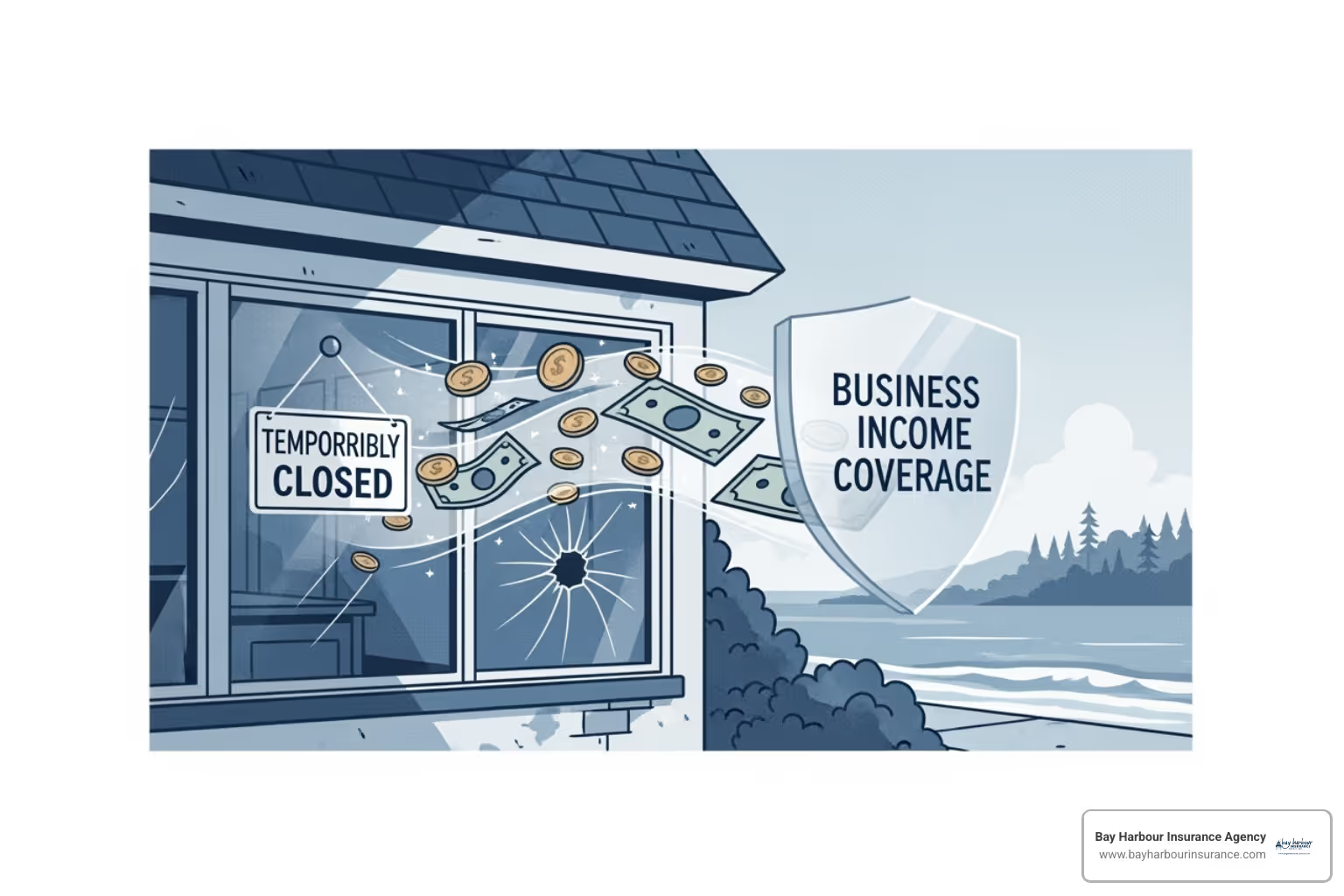
What Is Business Income Coverage in a BOP?
In a business owners policy business income coverage protects your business from lost income when physical damage from a covered event forces you to temporarily shut down. This coverage acts as a financial safety net, replacing the money you can't earn while your property is being repaired or rebuilt.
Quick Answer for Business Income Coverage in a BOP:
- What it covers: Lost net income and continuing operating expenses during business closure
- When it applies: After covered perils like fire, wind, theft, or vandalism damage your property
- Coverage period: Typically 30-360 days during the "period of restoration"
- Waiting period: Usually 24-72 hours before coverage begins
- Common expenses covered: Employee payroll, rent, loan payments, taxes, utilities
- Not covered: Flood, earthquake, pandemics (unless specifically endorsed)
- Best for: Businesses with physical locations like restaurants, retail stores, offices
Business income coverage is often included in a Business Owner's Policy (BOP) alongside commercial property and general liability insurance. While property insurance covers the cost to repair your damaged building and equipment, business income coverage keeps money flowing to pay your bills and employees during the restoration period.
This coverage is essential for any business that relies on a physical location to generate revenue. Without it, a fire that takes two months to repair could force you to permanently close your doors—not because of the property damage, but because you couldn't afford to keep paying rent, payroll, and other expenses while earning no income.
At Bay Harbour Insurance, we understand that your business is your livelihood. That's why we emphasize the importance of in a business owners policy business income coverage. It’s the "life preserver" that keeps your enterprise afloat when unexpected events hit. If your business has a physical location with products, services, or equipment that generate income, you stand to benefit immensely from this type of coverage. Think of a cozy coffee shop in Patchogue, a busy retail store in Sayville, or a busy auto repair shop in Holbrook – all these businesses would face significant financial hardship if a fire or severe storm forced them to close their doors, even temporarily.
Key Terms and Definitions You Need to Know
Navigating insurance can feel like learning a new language. To truly understand in a business owners policy business income coverage, it’s crucial to grasp some fundamental terms:
- Period of Restoration: The timeframe during which your lost income is covered. It begins after a waiting period and ends when your property is reasonably repaired or you resume operations.
- Actual Loss Sustained: The actual financial loss your business experiences due to the interruption, including lost net income and ongoing operating expenses.
- Continuing Normal Operating Expenses: Essential costs that continue even when you're closed, such as employee payroll, rent or mortgage payments, loan payments, and taxes.
- Extra Expense: Additional costs incurred to get your business running again faster, like renting a temporary space or paying for expedited repairs.
- Civil Authority: Coverage for lost income when a government order, due to damage at a nearby property, prevents access to your business.
- Direct Physical Loss: The trigger for coverage. There must be actual physical damage to your insured property from a covered event for business income coverage to apply.
What Expenses Are Covered by in a business owners policy business income coverage?
When your business faces an unexpected shutdown due to physical damage, in a business owners policy business income coverage steps in to cover the expenses that keep your business from crumbling. Here's a list of what this crucial coverage typically helps with:
- Lost Net Income: Replaces the profit your business would have earned during the time it was unable to operate.
- Employee Payroll: Helps you retain your valuable team by covering employee wages, benefits, and payroll taxes during a shutdown.
- Rent or Mortgage Payments: Covers these critical ongoing expenses, ensuring you don't default on your lease or mortgage.
- Loan Payments: Helps you keep up with payments on business loans for equipment, inventory, or expansion.
- Taxes: Assists in covering continuing property taxes and other business taxes to prevent penalties.
- Relocation Costs: Helps with the costs of moving and setting up a temporary location to minimize downtime.
What's Typically Excluded?
While robust, business income coverage has standard exclusions. Knowing these helps you identify potential gaps in your protection.
- Flood Damage: Damage from floods is almost always excluded and requires a separate policy, often through the National Flood Insurance Program (NFIP).
- Earthquake Damage: Like floods, damage from earthquakes or other earth movements requires a separate policy or endorsement.
- Pandemics/Communicable Diseases: Losses from pandemics are typically excluded because they don't stem from direct physical damage to your property.
- Undocumented Income: The policy only covers income you can prove with financial records like tax returns and profit and loss statements.
- Utility Failures (without endorsement): A power outage originating off-premises is not covered unless you have a specific Utility Services Endorsement.
Understanding these exclusions is vital for comprehensive risk management. If any of these excluded perils pose a significant threat to your business, we at Bay Harbour Insurance can help you explore specialized insurance options to fill those gaps. For more information on custom solutions, please visit our page on More info about specialized insurance.
How Does Business Income Coverage in Your Business Owners Policy Work?
When a covered event damages your property and forces you to close, your in a business owners policy business income coverage follows a structured process to get you back on your feet. It begins with notifying your insurer, who will then assess the damage and your potential income loss. After a brief waiting period (typically 24-72 hours), the "period of restoration" begins. During this time, your policy will cover your lost net income and continuing operating expenses until your business is repaired and operational again. Your insurer will work with you to calculate your actual loss based on your financial records, ensuring you can focus on recovery, not financial distress. To learn more about how we can help guide you through this process, visit our page on business insurance services.
A Real-World Example: The Patchogue Pizzeria Fire
To understand how this works, let's imagine "Tony's Pizza Palace," a popular restaurant in Patchogue. A kitchen fire causes significant damage, forcing an immediate shutdown.
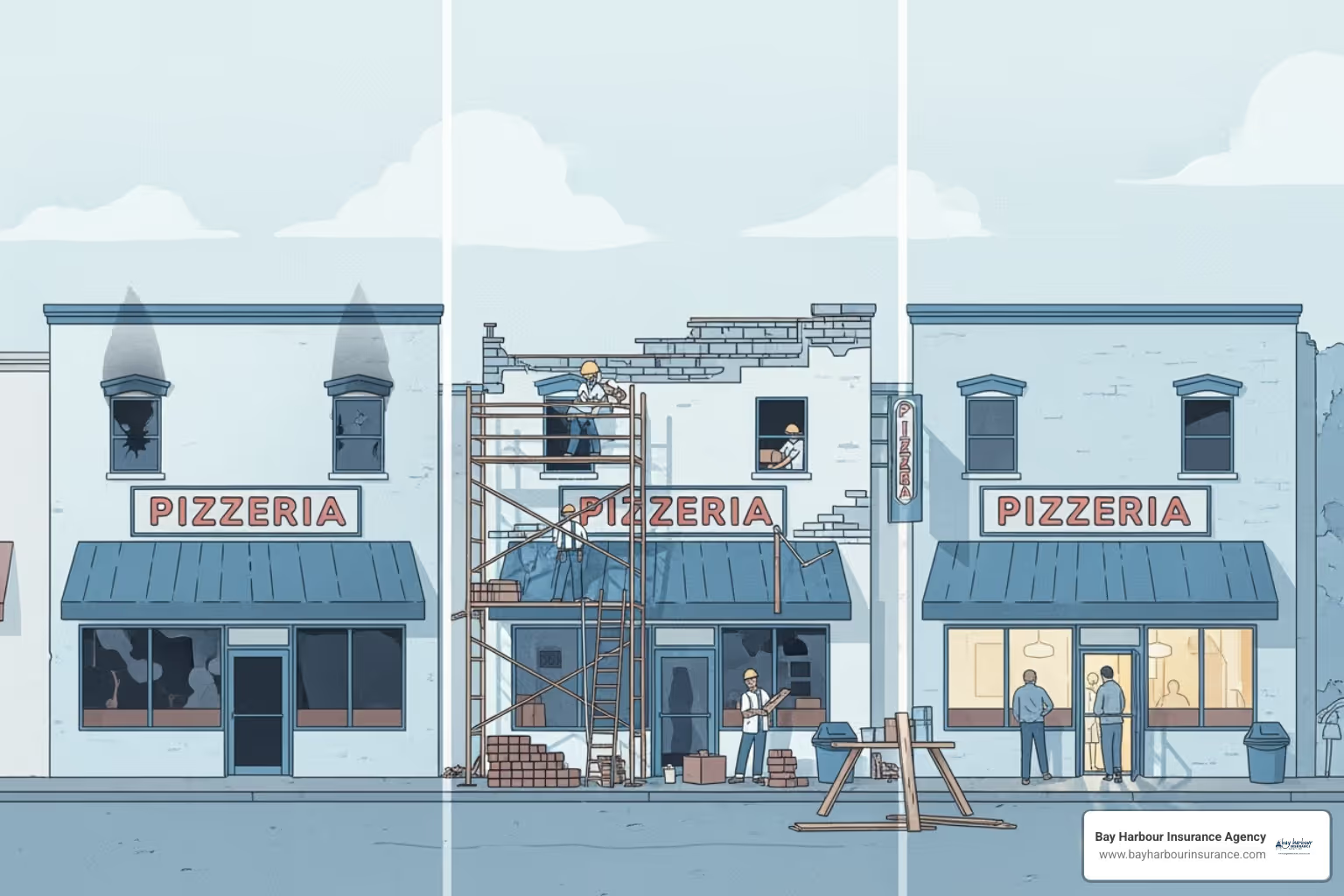
- The Incident: A fire causes direct physical damage, triggering Tony's BOP.
- Waiting Period: The policy has a 72-hour waiting period. During these first three days, Tony's lost income is not covered.
- Period of Restoration: After the waiting period, the coverage kicks in. The insurance company determines it will take three months to repair the kitchen and dining room. During this time:
- Commercial Property Insurance pays for the physical repairs: new ovens, paint, and furniture.
- Business Income Coverage pays for the lost profits Tony would have earned. It also covers ongoing expenses like his employees' payroll, rent for the building, and loan payments on his equipment.
- Reopening: After three months, Tony's reopens. However, it takes time for business to return to normal. An Extended Business Income endorsement on his policy continues to cover the income gap for another 30-60 days until his revenue is back to pre-fire levels.
This example shows how business income coverage provides a complete financial safety net, turning a potential business-ending disaster into a manageable, temporary setback.
Common Endorsements to Improve Your Coverage
Standard in a business owners policy business income coverage provides a strong foundation, but endorsements can tailor the policy to your specific risks.
- Extra Expense Coverage: Often included, this pays for necessary costs to get back in business faster, such as renting a temporary location or paying for expedited repairs.
- Extended Business Income: Covers the income gap for a set period (e.g., 30, 60, or 90 days) after you reopen, as it often takes time for revenue to return to normal.
- Utility Services Endorsement: Protects you from income loss due to a covered utility outage (power, water, etc.) that occurs off your property.
- Civil Authority Coverage: Provides income if a government order, due to damage at a nearby property, blocks access to your business.
- Dependent Properties Coverage: Covers your lost income if a key supplier or a major customer-attracting neighbor suffers damage and has to shut down.
Preparing for the Unexpected: Risk Mitigation and Documentation
The best way to handle a disaster is to be prepared for it. While in a business owners policy business income coverage is your financial backstop, proactive risk mitigation and diligent documentation can significantly speed up your recovery.
- Create a Business Continuity Plan: Outline how your business will operate during a disruption. Identify critical functions, communication plans for staff and customers, and key contacts. A good plan can dramatically shorten your downtime.
- Maintain Meticulous Financial Records: This is the most critical step for a successful claim. Your insurer needs proof of your income and expenses. Keep organized records of profit and loss statements, sales data, tax returns, payroll, and bank statements.
- Back Up Your Data: Store digital copies of your essential financial records in a secure, off-site location or cloud service. If your physical premises are damaged, your records will be safe.
- Perform Regular Property Maintenance: Prevent claims before they happen. Regularly inspect your building's electrical, plumbing, HVAC, and roofing systems to catch small problems before they become business-stopping disasters.
Being prepared is smart business. At Bay Harbour Insurance, we're committed to helping Long Island businesses build resilience. For more insights into our community involvement, visit our page on More info about our community involvement.
Filing a Claim: What You'll Need
If you need to file a business income claim, being organized will make the process much smoother. The first step is always to notify your insurance provider promptly after the damage occurs.

Your claims adjuster will need documentation to calculate your "actual loss sustained." Be prepared to provide:
- Profit and loss statements
- Sales records (daily, weekly, and monthly)
- Income tax returns from previous years
- Payroll records
- Invoices and receipts for any extra expenses incurred
- Bank statements
- Utility bills, lease agreements, and mortgage statements
The more complete your documentation, the faster your claim can be resolved.
Key Factors Influencing the Cost of in a business owners policy business income coverage
The premium for business income coverage depends on your specific business and its level of risk. Key factors include:
For a personalized quote that considers these factors, visit our Get a business insurance quote page.
Frequently Asked Questions about BOP Business Income Coverage
How is business income coverage different from commercial property insurance?
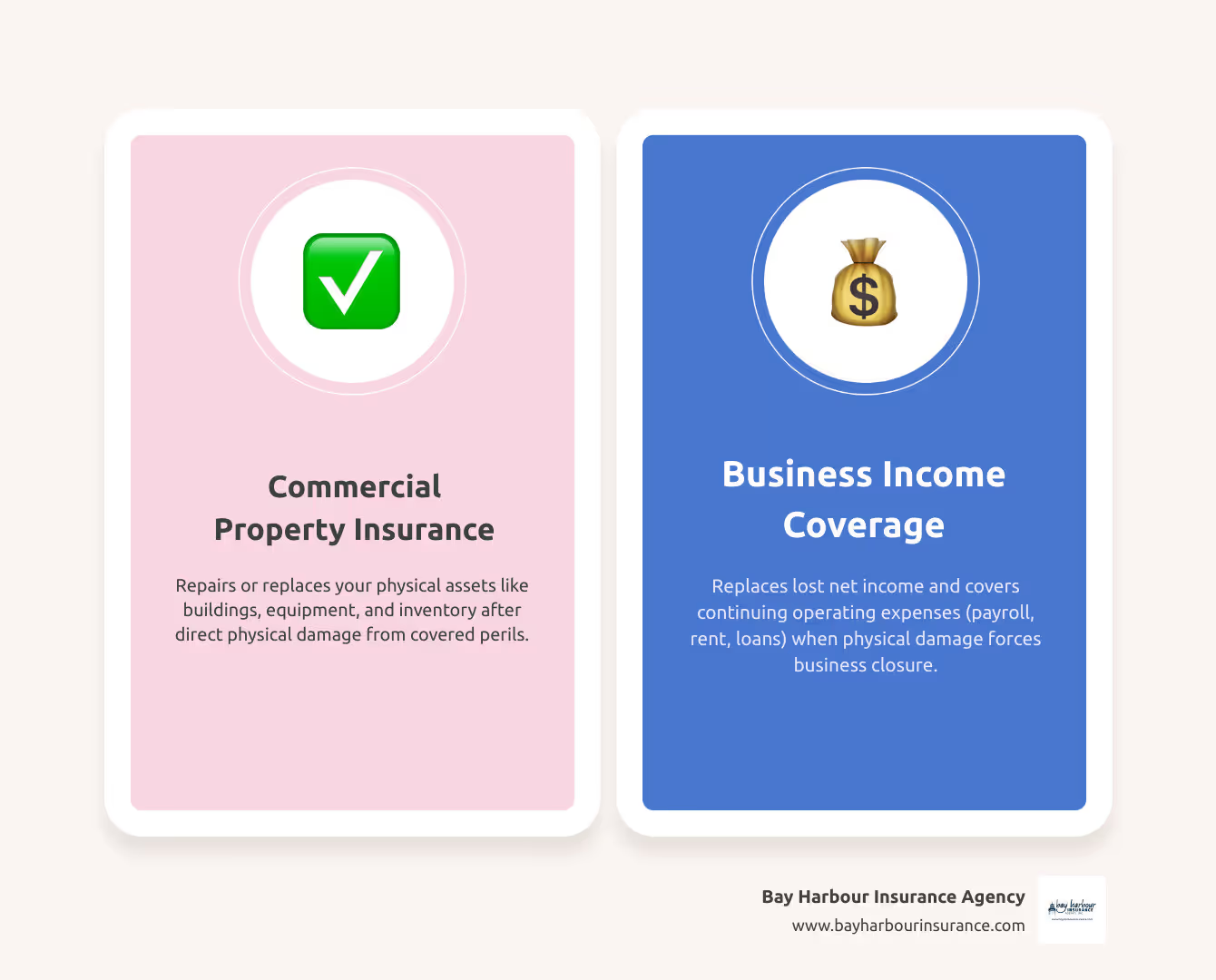
Commercial property insurance covers the cost to repair or replace your physical assets, like your building and equipment. Business income coverage replaces the income you lose and covers operating expenses because your business is shut down due to that physical damage. One repairs the house, the other pays the bills while it's being repaired.
Does business income coverage have a deductible?
Yes, but it's usually a "time deductible" called a waiting period, not a monetary one. A typical policy might have a 24 to 72-hour waiting period after the physical loss occurs before the coverage for lost income kicks in.
Can I get business income coverage as a standalone policy?
While possible, it's most commonly and cost-effectively purchased as part of a Business Owner's Policy (BOP), which bundles it with commercial property and general liability insurance. It can also be added as an endorsement to a commercial property policy.
Protect Your Livelihood with the Right Coverage
Unexpected disasters don't have to mean the end of your business. With the right in a business owners policy business income coverage, you can have the financial stability and peace of mind to weather any storm and rebuild stronger.
At Bay Harbour Insurance Agency, we provide more than just policies; we provide personalized service and expert guidance to protect what you've worked so hard to build. We'll help you understand your risks and tailor a BOP that fits your unique needs.
Don't wait for a crisis to find out you're underinsured. Let's ensure your business is protected today.