
Why Understanding Dwelling Coverage is Critical for Your Home
Dwelling insurance coverage is the foundation of your homeowners policy, protecting your home's physical structure from covered disasters. For homeowners in Patchogue, Holbrook, or Holtsville, it's what allows you to rebuild after a fire or windstorm strikes your Long Island property.
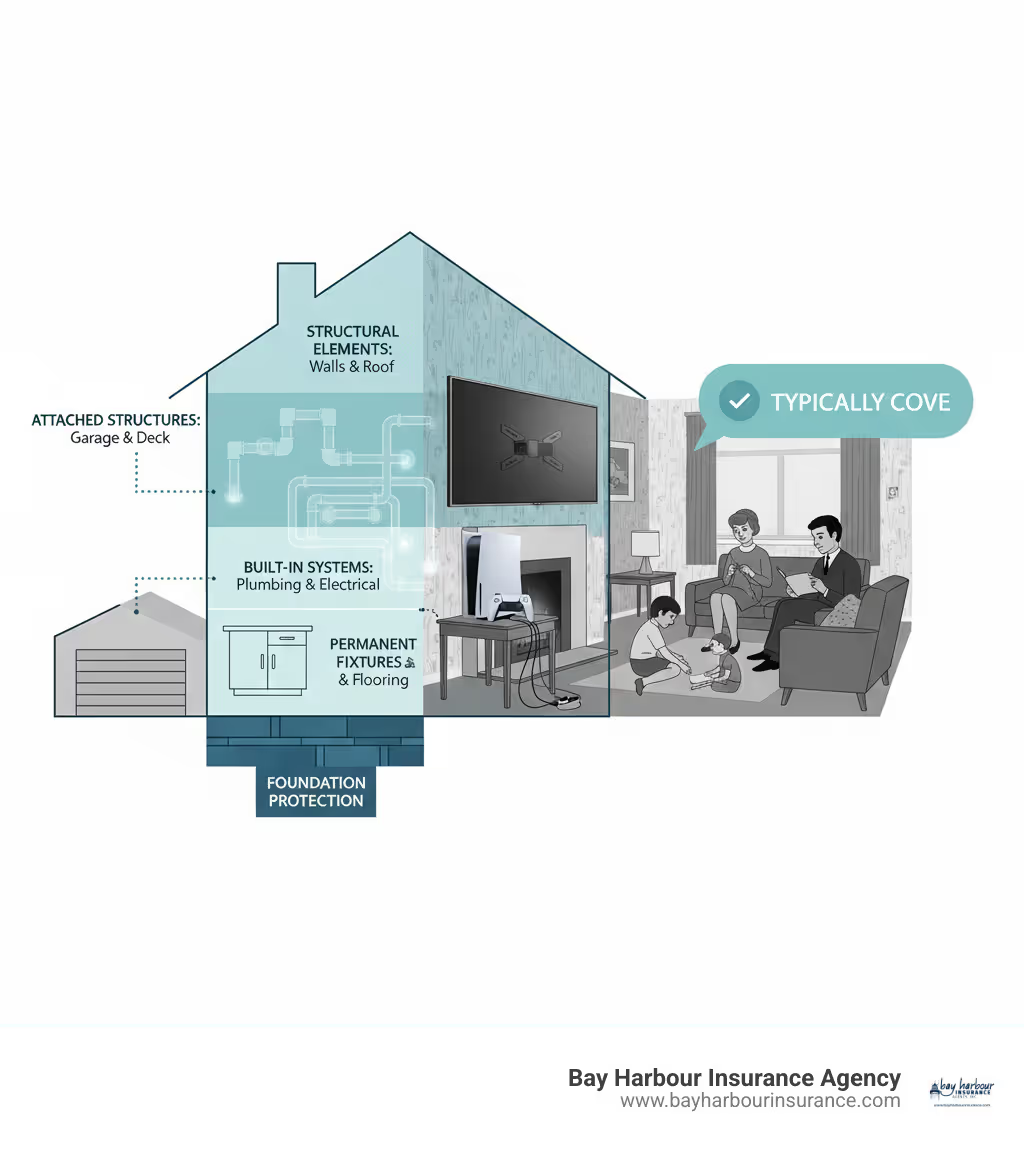
What dwelling coverage protects:
- Foundation, walls, and roof - The core structure of your home
- Attached structures - Garages, decks, and porches
- Built-in systems - Plumbing, electrical, and HVAC
- Permanent fixtures - Cabinets, flooring, and built-in appliances
What it doesn't cover:
- Personal belongings like furniture and electronics
- Detached structures like sheds or fences
- The land your home sits on
- Flood damage (requires separate coverage)
Your home is a major investment, especially in New York's competitive market. Homeowners from Medford to Holtsville know that Long Island faces unique risks like nor'easters and severe weather. Understanding what your dwelling coverage protects helps you choose the right insurance limits for your Patchogue property.
Crucially, dwelling coverage should equal the cost to rebuild your home, not its market value. With construction costs rising across Long Island, from Holbrook to Medford, getting this calculation right is more important than ever.
What is Dwelling Coverage (Coverage A)?
Dwelling insurance coverage, also known as Coverage A, is the part of your homeowners policy that protects the physical structure of your home. When disaster strikes your property in Holbrook or anywhere across Long Island, this coverage helps pay for repairs or rebuilding.
Dwelling coverage focuses on what makes your house structurally sound: your foundation, walls, and the roof that shields you from New York's weather. It also extends to attached structures like a garage connected to your Holtsville home or a deck. Even built-in appliances and systems like your furnace, water heater, and kitchen cabinets are protected.
It's important to know the boundaries of this coverage. Your personal belongings (furniture, electronics) fall under a different part of your policy. The land value of your home is not covered, as this protection is purely for the structure itself. Detached structures, like a shed in your Medford backyard or a fence, also have their own coverage category. Understanding these distinctions helps Long Island homeowners in places like Patchogue avoid surprises when filing a claim.
What Your Dwelling Coverage Protects
Your dwelling insurance coverage protects several key components of your home after a covered loss. The foundation and framing form the skeleton of your house; if a tree hits your Patchogue home during a nor'easter, this coverage handles structural repairs.
Your roof and siding are covered against damage from Long Island weather, like hail or wind. An attached garage or deck is also covered since it's physically connected to your main house. The built-in systems like plumbing and electrical that make your home functional are included. If a covered peril damages pipes or fries your electrical system, dwelling coverage steps in. Your permanently installed flooring and cabinets, from hardwood floors to granite countertops, get protection as well. Finally, your windows and doors are also part of your dwelling coverage, helping preserve your home's value in Holbrook or Holtsville.
What It Typically Doesn't Protect
While comprehensive, dwelling insurance coverage has specific exclusions. Understanding these gaps is crucial for homeowners across New York.
Personal property like furniture is not covered; that's what personal property coverage is for. Your couch, TV, and clothes need their own protection. Detached sheds or fences also fall outside dwelling coverage since they aren't attached to your main house in Medford.
The land your home sits on is not covered—you're protecting the structure, not the lot. Your cars need auto insurance, and any property of tenants is their own responsibility to insure.
These exclusions are common points of confusion for homeowners in Patchogue and throughout Long Island. Knowing these boundaries helps you build a complete protection plan for your Holbrook home that doesn't leave you exposed.
Covered vs. Excluded Perils for Your New York Home
Dwelling insurance coverage protects you from specific events, known as perils, but not every disaster is covered. For homeowners on Long Island, from Patchogue to Medford, understanding this distinction is key, especially with the risk of coastal storms and nor'easters.
Common Covered Perils
Most standard policies protect your home from a wide range of sudden and accidental events.
Fire and smoke damage is a primary covered peril. Whether it's a kitchen fire in your Patchogue home or an electrical issue in Holbrook, dwelling coverage helps you rebuild. Windstorms and hail are also critical coverage for Long Island residents. When powerful winds or hail damage your roof or windows, your policy is there to help.
Lightning strikes that cause fires or direct damage are generally covered. Vandalism and theft of your home's structural components are also typically included. For homeowners in wooded areas of Medford and Holtsville, coverage for falling objects like tree branches is invaluable. The weight of ice and snow can cause serious structural damage during harsh New York winters, making this coverage essential.
Accidental water damage from plumbing, such as a sudden pipe burst, is typically covered for the resulting structural damage. For a deeper look at what your policy includes, see our guide on Homeowners Insurance Basics.
Common Exclusions and Why They Matter on Long Island
Certain perils are typically excluded from standard policies, and understanding these gaps is crucial for Long Island homeowners.
Flood damage is the most significant exclusion. Your standard dwelling policy does not cover damage from rising water or storm surge. This is vital for homeowners in coastal communities like Patchogue and Medford to understand, as you'll need separate flood insurance.
Earth movement, including earthquakes and landslides, is generally excluded. While not common on Long Island, it's an important exclusion to note. Wear and tear is another major exclusion. Insurance covers sudden, accidental damage—not gradual deterioration from neglect. A leaky roof you've ignored may lead to a denied claim. Regular maintenance is your responsibility.
Pest infestations and the damage they cause are typically excluded. Termites and other pests can cause extensive structural damage, especially in older homes in Holbrook and Holtsville, but standard policies won't cover repairs.
These exclusions highlight where specialized coverage is needed. Learn more about protecting your New York home in our article on Homeowners Insurance Hurricane Impact.
How Much Dwelling Insurance Coverage Do You Need?

The amount of dwelling insurance coverage you need isn't based on your home's market value in Patchogue. It's based on one crucial question: What would it cost to rebuild your home from scratch at today's Long Island construction prices?
Your home's market value includes land, which isn't destroyed in a fire. Dwelling coverage needs to reflect rebuilding costs, not market value. For example, if your Holbrook home is worth $400,000 on a $150,000 lot, you need coverage for the $250,000 structure plus any increase in construction costs. Conversely, a custom home in Holtsville that costs $500,000 to rebuild but is valued at $450,000 needs the higher coverage amount to avoid being underinsured.
Replacement Cost Value (RCV) vs. Actual Cash Value (ACV)
When buying dwelling insurance coverage, you'll choose between two claim payment methods: Replacement Cost Value (RCV) and Actual Cash Value (ACV).
Replacement Cost Value (RCV) is the preferred option. It pays to rebuild or repair your home with new materials at current prices, without deducting for depreciation. If a storm damages your 15-year-old roof, RCV replaces it with a new one.
Actual Cash Value (ACV) factors in depreciation. It would pay for a new roof minus 15 years of depreciation, leaving you to cover the difference out of pocket.
For homeowners across Long Island, from Medford to Patchogue, RCV is the smarter choice. New York construction costs are rising, and RCV ensures you can fully rebuild without draining your savings. While RCV premiums are slightly higher, the protection is worth it. Learn more in our guide on How Much Home Insurance Cost in NY.
Calculating Your Home's Rebuilding Cost
Figuring out your home's rebuilding cost requires considering several unique factors about your Long Island home.
Local construction costs in Holtsville, Holbrook, and throughout Long Island are significantly higher than in other parts of New York. Labor, materials, and building codes all affect the price. Your home's square footage is a starting point, but the style and materials are critical. A brick colonial in Holbrook costs more to rebuild than a standard ranch.
Custom features like crown molding, hardwood floors, or a gourmet kitchen add to rebuilding costs. Your roof type also matters, as slate costs more to replace than asphalt. Finally, recent renovations increase your rebuilding cost. If you've updated your Medford home's kitchen, you must update your coverage to avoid being underinsured.
Work with an experienced agent who understands Long Island construction costs to ensure your dwelling insurance coverage truly protects your investment. For more guidance, see this resource: How much homeowners insurance do you need?
Dwelling Coverage for Different Property Types
The dwelling insurance coverage you need varies depending on whether you own a house in Medford, a condo in Holbrook, or rent an apartment in Patchogue. Each property type has unique insurance requirements.
For Homeowners: Dwelling vs. Other Structures
For homeowners on Long Island, your policy separates your main house (Dwelling - Coverage A) from other buildings on your property (Other Structures - Coverage B).
Dwelling (Coverage A) protects your main house and any attached structures, like a garage, porch, or deck. It even covers building materials on your property intended for repairs or additions.
Other Structures (Coverage B) handles standalone buildings on your property. This includes detached garages, storage sheds, fences, gazebos, and even the structure of an in-ground pool. This coverage is typically set as a percentage of your main dwelling insurance coverage, usually 10% to 20%. If your Holtsville home has $400,000 in dwelling coverage, you might have $40,000 for other structures. If you have an expensive detached structure, you may need to increase this limit.
For Condo Owners: Understanding "Walls-In" Coverage
Condo owners in Holbrook or Patchogue need a special HO-6 policy. The challenge is understanding where your condo association's master policy ends and your personal coverage begins.
The master policy usually covers the building's exterior and common areas. What's covered inside your unit depends on the master policy type:
- "Bare walls" coverage: The association covers only the unfinished walls. Your HO-6 policy's dwelling insurance coverage must cover everything inward, including drywall, flooring, and fixtures.
- "Single entity" coverage: The association covers the unit as originally built. Your policy needs to cover any upgrades or improvements you've made.
- "All-in" coverage: The master policy covers almost everything, including improvements. This is less common, but it reduces your personal dwelling coverage needs.
You must review your HOA's bylaws and master policy. We can help New York condo owners in places like Medford decode these documents to ensure your HO-6 policy provides the right amount of dwelling insurance coverage.
For Landlords and Renters
Your insurance needs change dramatically if you are a landlord or a renter.
Landlords with rental properties in Holtsville or anywhere on Long Island need a specialized landlord insurance policy (or dwelling fire policy). This policy's dwelling insurance coverage protects the rental structure from perils like fire and wind. It also provides liability coverage and "fair rental value" coverage, which replaces lost rent if the property becomes uninhabitable after a covered loss. This is essential for Medford property owners. For more details, see this guide: Are you a Residential Landlord? (PDF).
Renters in Patchogue or elsewhere do not need dwelling insurance coverage. Your landlord is responsible for insuring the building. You need a renters insurance policy (HO-4) to cover your personal belongings, provide liability protection, and cover additional living expenses if your rental becomes uninhabitable.
Frequently Asked Questions about Dwelling Insurance Coverage
Long Island homeowners from Patchogue to Medford often ask the same questions about dwelling insurance coverage. Here are answers to the most common concerns.
Does dwelling insurance coverage pay to rebuild my home to current building codes?
For owners of older homes in Patchogue and across Long Island, this is a critical question. Standard dwelling insurance coverage pays to rebuild your home as it was, but building codes change over time. If your home is rebuilt, local ordinances may require expensive upgrades to electrical systems or foundations that your standard policy won't cover.
This is where Ordinance or Law coverage, an optional endorsement, becomes essential. It bridges the gap between what your policy covers and what current codes demand. For older homes throughout New York, this coverage can prevent thousands in unexpected costs and is a smart addition to avoid common Mistake NY Homeowners Make When Choosing Insurance.
How does my dwelling coverage limit affect my other coverages?
Many homeowners in Holbrook and Holtsville are surprised to learn their dwelling insurance coverage limit (Coverage A) sets the limits for most other coverages in their policy.
Insurance companies calculate other limits as percentages of your dwelling amount:
- Personal Property (Coverage C): Typically 50% to 70% of your dwelling limit.
- Other Structures (Coverage B): Usually 10% to 20% of your dwelling coverage.
- Loss of Use (Coverage D): Typically 20% to 30% of your dwelling amount.
This system means that underinsuring your house automatically underinsures everything else. Getting your dwelling coverage right is critical. This standard approach is detailed in resources like How coverages are determined based on the dwelling coverage.
Is my home's foundation covered by dwelling insurance?
Yes, your foundation is part of your dwelling insurance coverage, but with important exceptions. The foundation supporting your Long Island home is protected from covered perils like fire, explosions, or windstorms.
However, damage from foundation settling, cracking, or shifting due to normal ground movement is not covered, as this is considered a maintenance issue. Earth movement exclusions also mean earthquake damage is not covered. For water damage, a sudden pipe burst may be covered, but damage from floods or persistent seepage is excluded. Given Long Island's coastal location and soil conditions from Medford to Holbrook, understanding these limitations is key for New York homeowners.
Get the Right Dwelling Protection for Your Long Island Home

Your home is your biggest investment and your safe haven. Securing the right dwelling insurance coverage is essential for your peace of mind. Whether you live in Patchogue, Holbrook, or Holtsville, your property faces unique risks from coastal storms and nor'easters that impact all of Long Island.
The right dwelling insurance coverage ensures you can rebuild after a disaster without financial ruin. However, a one-size-fits-all policy doesn't work. A historic home in Patchogue has different needs than a modern build in Medford. Your policy must be custom to your home's specific replacement cost and the local risks in your New York neighborhood.
This is where an independent agent makes a difference. At Bay Harbour Insurance Agency, we work with multiple carriers to find the right fit for you. We understand the local market, from construction costs in Medford to flood risks near the coast of Holbrook. We listen first, then craft a solution that protects your family and your budget.
Don't leave your most valuable asset vulnerable. Let us help you steer the complexities of dwelling insurance coverage. Protecting your home should help you sleep better at night.
Get a quote for your New York State homeowners insurance today!