

Why Home Insurance for Second Home Properties Requires Special Attention
Home insurance for second home properties works differently than coverage for your primary residence. If you own a second home in Patchogue, Holbrook, Holtsville, or Medford, you're joining thousands of Long Island residents who need specialized coverage. These properties face unique risks, and the biggest shock for many owners is that your current homeowner's policy provides zero coverage for a second property.
Here's what every New York property owner needs to know:
Key Differences:
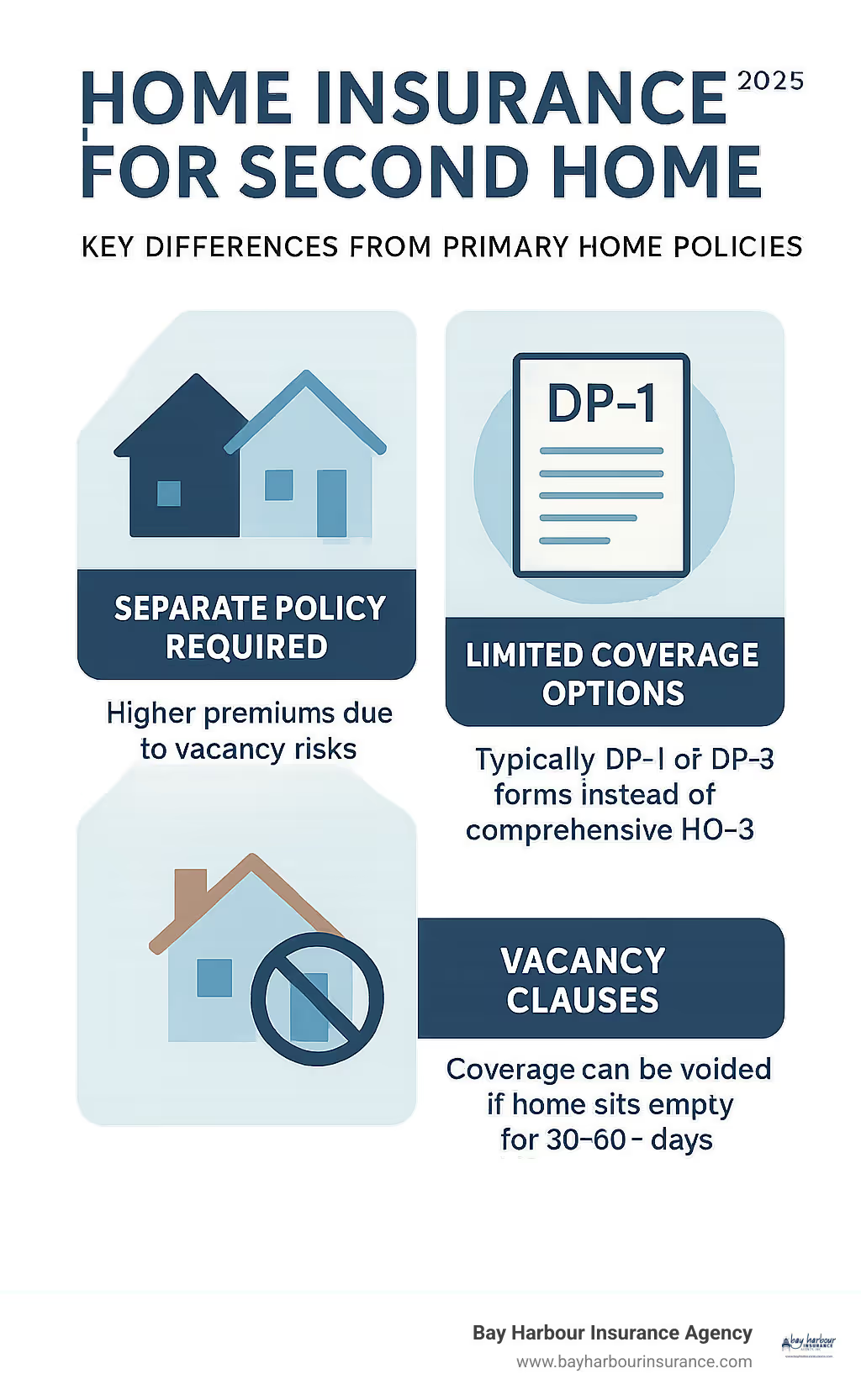
- Separate Policy Required: Your primary home's policy won't cover a second property.
- Higher Premiums: Second homes often cost more to insure due to increased risks.
- Limited Coverage Options: Policies typically use DP-1 or DP-3 forms instead of a comprehensive HO-3.
- Vacancy Restrictions: Coverage can be voided if the home sits empty for 30-60+ days.
- Additional Risks: Unoccupied properties in places like Patchogue or Holbrook face higher theft, vandalism, and undetected damage risks.
Long Island's coastal location adds another layer of complexity. Properties in Holtsville and Medford face different weather risks than beachfront homes, but all second homes share common vulnerabilities like extended vacancy periods and delayed damage detection. This guide breaks down everything you need to know about insuring your slice of paradise in the unique New York insurance market.
Why Your Long Island Getaway Needs Its Own Insurance Policy
Many Long Island property owners get a rude awakening when they assume their existing homeowner's policy covers their new weekend retreat in Medford or Patchogue. The reality is stark: your primary residence insurance policy will not cover your second home. Each property is a separate risk and requires its own policy. If you financed the home, your lender will demand it. Even if you own it outright, leaving a valuable New York asset unprotected is a significant gamble.
The reason is simple: second homes face different risks. A home in Holbrook or Holtsville might sit empty for weeks or months, meaning a small leak could cause thousands in water damage before anyone notices. These vacancy-related risks are why home insurance for second home properties is so specialized.
For more foundational information, our guide on Homeowners Insurance Basics offers valuable insights.
Understanding the Unique Risks of an Unoccupied New York Home
An empty house is a magnet for trouble. We've seen it countless times with Long Island properties:
- Theft: A vacant home in Patchogue with no signs of life is an easy target for burglars.
- Undetected Damage: A pipe bursting during a Holbrook winter freeze can cause catastrophic flooding, mold, and structural damage while you're away.
- Fire Hazards: Faulty wiring or lightning can spark a fire that consumes an entire Holtsville property before it's detected.
- Vandalism: Empty homes can attract troublemakers, leading to broken windows, graffiti, and other damage.
- Liability: You could be held responsible if someone, even a trespasser, is injured on your Medford property, a risk that increases with features like pools or trampolines.
Insurers across Long Island factor in these vacancy risks, plus New York's coastal storm exposure, when creating second home policies.
Primary Home Policy vs. Second Home Policy
The differences go beyond just needing two policies; the coverage itself is fundamentally different. Your primary home likely has a comprehensive HO-3 policy. Second homes typically get DP-1 or DP-3 policies, which have more limitations, especially regarding personal property and liability.
Here's a quick comparison:
The vacancy clause is critical. If your Long Island retreat sits empty for more than the policy allows, your insurer might deny claims for vandalism, theft, or water damage. This is why a primary home policy is completely inadequate for a second home.
Deconstructing Your Policy: What Second Home Insurance Covers
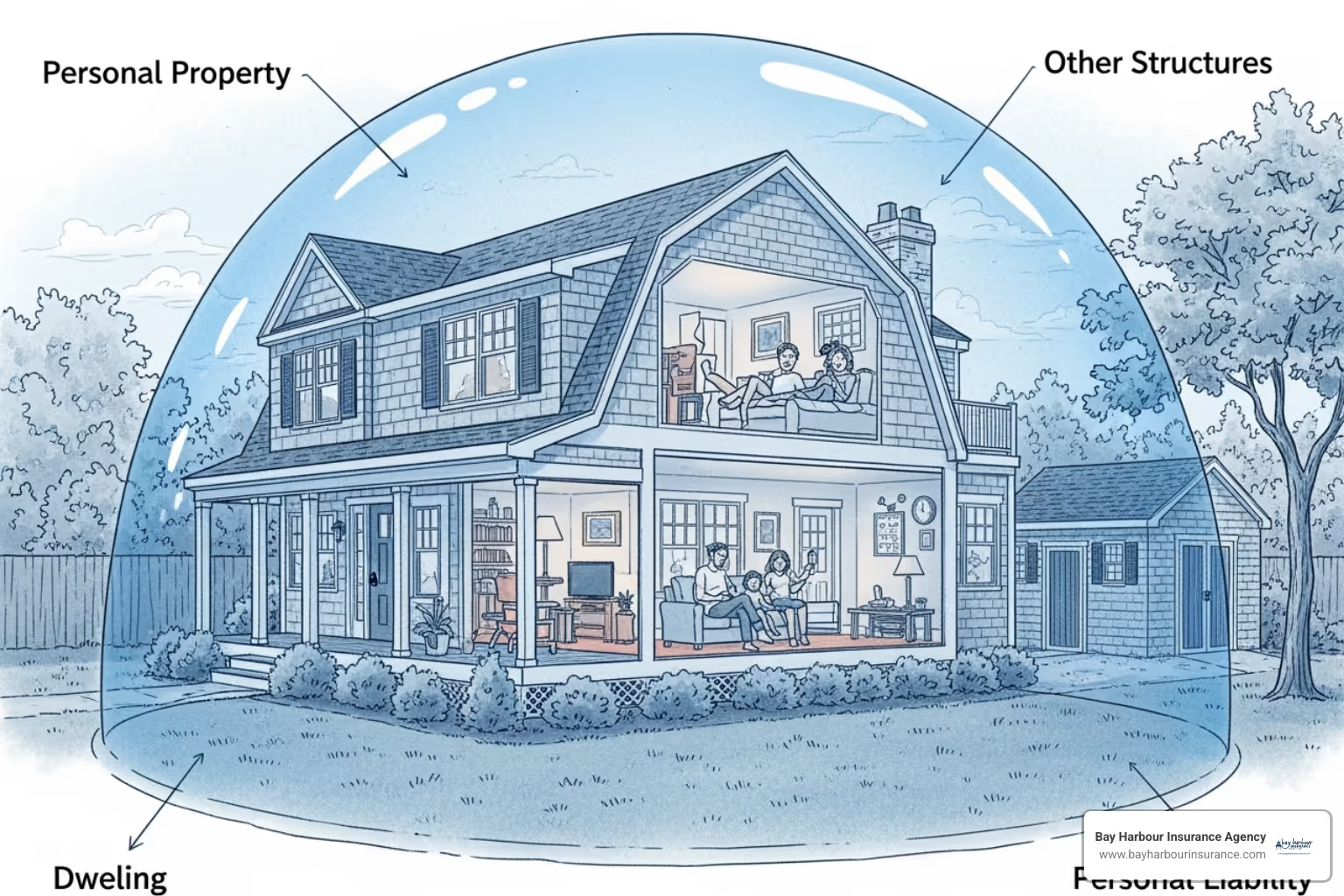
Understanding your Long Island home insurance for second home policy is key. Whether you're in Patchogue, Holtsville, or Medford, your policy will revolve around five core components:
- Dwelling Coverage (Coverage A): Protects the physical structure of your house, from the roof to the foundation.
- Other Structures (Coverage B): Covers detached structures like garages, sheds, or decks.
- Personal Property (Coverage C): Safeguards your belongings, like furniture and electronics. Coverage is often more limited than in a primary home policy.
- Liability Coverage: Protects you financially if someone is injured on your property. This is essential for a second home in Holbrook that may sit empty.
- Loss of Use/Fair Rental Value (Coverage D): Covers lost rental income or alternative accommodation costs if a covered event makes your home uninhabitable.
These components create a safety net for your New York investment, but the specifics vary. Many Long Island properties have unique features that require careful review of these coverages.
Common Perils: Named vs. Open Peril Policies
A peril is a cause of loss, like fire or theft. Second home policies handle perils in two main ways:
- DP-1 (Named Perils): The most basic and affordable option, this policy only covers perils specifically listed, such as fire and lightning. It leaves significant coverage gaps that are unacceptable for most Long Island property owners.
- DP-3 (Open Perils): This policy offers broader protection for the dwelling, covering everything except what's specifically excluded. This is crucial for protecting against regional risks like windstorms, a major threat for any property in Patchogue or elsewhere on the coast.
Even the best policies exclude things like normal wear and tear. For more on avoiding common oversights, see our guide on Mistake NY Homeowners Make When Choosing Insurance.
Key Exclusions to Know for Your New York Property
Knowing what's not covered is critical. Here are the most common exclusions for a New York property:
- Flood Damage: This is the biggest exclusion. Standard policies do not cover damage from storm surge, overflowing rivers, or ground-level water intrusion. For coastal areas like Medford and across Long Island, separate flood insurance through the NFIP is essential.
- Earthquake Damage: Like floods, this is excluded and requires a separate policy or endorsement.
- Vacancy Clauses: If your Holtsville getaway is unoccupied for 30-60 consecutive days, coverage for vandalism, theft, and burst pipes may be suspended. You must notify your insurer about extended vacancies.
- Maintenance-Related Damage: Insurance covers sudden, accidental events, not damage from neglect, worn-out materials, or pest infestations.
Factors Influencing Your Home Insurance for a Second Home
Many factors influence your home insurance for second home premium. Insurers in New York carefully consider these details:
- Location: A beachfront cottage in Patchogue faces higher wind and flood risks than a wooded retreat in Holtsville, impacting costs.
- Vacancy Period: A Medford getaway that sits empty for months is seen as higher risk for theft and undetected damage.
- Property Age & Construction: An older home in Holbrook with outdated systems will cost more to insure than a modern one.
- Proximity to Emergency Services: Homes on Long Island closer to fire departments and hydrants typically get better rates.
- Special Amenities: Pools, hot tubs, and trampolines increase liability exposure and premiums.
- Claims History: The property's claims history, even from a previous owner, can affect your rates.
For more on balancing cost and coverage, see our guide on Who Has the Cheapest Home Insurance in NY?.
Replacement Cost vs. Market Value: A Crucial Distinction
Many second home owners confuse these two values. Market value is what your Long Island property would sell for, including the land. Replacement cost is what it would cost to rebuild the house from scratch with similar materials, excluding the land value.
Insurance is based on replacement cost. If your Patchogue home has a market value of $300,000 but would cost $350,000 to rebuild, you must insure it for the higher amount to avoid a major financial shortfall after a total loss. It's vital to review this value annually, as construction costs in New York fluctuate.
Special Considerations for New York Deductibles
Deductibles on Long Island can be complex. A higher deductible lowers your premium but increases your out-of-pocket cost for a claim.
- Standard Deductible: A fixed dollar amount (e.g., $1,000) you pay for most claims like fire or theft.
- Hurricane Deductible: Common for coastal properties, this is a percentage (e.g., 1-5%) of your dwelling coverage. For a $400,000 home in Holbrook, a 2% deductible means you pay the first $8,000 for hurricane damage.
- Wind/Hail Deductible: Works like a hurricane deductible but applies to other severe storms.
Understanding these is crucial. For more on this topic, read our article on Homeowners Insurance: Hurricane Impact.
Special Scenarios and How to Lower Your Costs

Home insurance for second home policies get more complex if you rent out your property. Listing your Medford or Patchogue getaway on Airbnb or VRBO turns it into a business, and your standard policy likely won't cover the increased risks. You're no longer just protecting against vacancy; you're dealing with liability from guests and potential damage.
Most insurers require either landlord insurance or a short-term rental endorsement. This can also provide loss of rental income coverage, which protects you if a covered event prevents you from hosting guests. This is a must-have for any rental property on Long Island.
Tailoring Your Insurance to Your Home's Use
Your Long Island location shapes your insurance needs. A coastal property near Holbrook faces different challenges than an inland home in Holtsville.
- Coastal Properties: Windstorm coverage and separate flood insurance are non-negotiable. Standard policies exclude flood damage, a major risk for any waterfront New York home.
- Wooded/Remote Properties: These homes may face higher fire risk and slower emergency response times, which can affect premiums. Insurers may require creating defensible space around the home.
- Security: A monitored security system is vital for any unoccupied second home, especially those in isolated areas of New York.
Smart Strategies to Lower Your Second Home Insurance Premiums
You can reduce your premiums without sacrificing protection:
- Bundle Policies: Insuring your primary home, second home, and auto with one company often yields significant discounts.
- Install Security Systems: Monitored alarms and smart home tech like water leak detectors can lower costs.
- Increase Your Deductible: A higher deductible means a lower premium, but more out-of-pocket cost per claim. This can be a smart move for a well-maintained property.
- Add Wind Mitigation: On Long Island, hurricane shutters and reinforced roofing can earn substantial discounts.
- Maintain Your Property: Keeping your Patchogue or Medford home in excellent condition shows insurers you're a responsible owner, which can lead to better rates.
For more money-saving tips, see our guide on How to Save Money on Home Insurance in NY.
Frequently Asked Questions about Second Home Insurance on Long Island
We hear the same questions from Long Island property owners in Holbrook, Patchogue, Holtsville, and beyond. Here are the answers to the most common ones.
Can I just add my second home in Holbrook to my primary home's policy?
No. A second home requires its own separate policy. Your primary policy is designed for an occupied residence and does not account for the unique vacancy risks of a second property, like a getaway in Holbrook or Medford. Attempting to file a claim under your primary policy for your second home will result in it being denied.
What happens if my Patchogue vacation home is vacant for more than 60 days?
Most second home policies have a "vacancy clause." If your Patchogue home is empty for 30-60 consecutive days, coverage for perils like vandalism, theft, and water damage from burst pipes may be suspended. To remain protected, you must inform your insurer before an extended vacancy to add a special endorsement or switch to a vacant home policy. This is a common issue for owners across Long Island.
Do I need landlord insurance if I only rent my Medford home a few weeks a year?
Yes. The moment you collect rental income from your Medford property, you are operating a business. A standard second home policy does not cover business activities or the associated liability risks from tenants. You need either a landlord insurance policy or a special endorsement to be properly covered. This applies even for short-term rentals, a popular option for many homeowners in New York and on Long Island.
Your Partner in Protecting Your New York Property
Your second home on Long Island is your escape and a significant investment. Protecting this special place in Patchogue, Holtsville, or Medford requires specialized insurance.
As this guide has shown, home insurance for second home properties is a different world. A separate policy isn't just a good idea—it's essential. Your coverage must be custom to how you use the property, whether it's a personal retreat in Holbrook or a seasonal rental, and you must account for vacancy periods to avoid devastating coverage gaps.
Navigating the New York insurance market can be complex, but you don't have to do it alone. As an independent agency, Bay Harbour Insurance Agency works for you, not for one insurance company. We shop multiple carriers to find the right protection that fits your unique needs and budget, offering the client-centered, personal service that Long Island residents deserve.
Ready to give your second home the protection it deserves? Get expert guidance on your Homeowners Insurance in New York State and gain the peace of mind to truly enjoy your retreat.