
Uninsured Boater Coverage
Boat Insurance in Long Island NY: Complete Coverage Guide for Local Boaters
Long Island's extensive coastline and waterways make it a paradise for boaters. From the Atlantic Ocean to the Long Island Sound, from Great South Bay to the Peconic Bays, boat owners here enjoy some of the finest boating waters on the East Coast. However, navigating these waters comes with responsibilities, including protecting your vessel with proper boat insurance.
Whether you cruise the waters off Fire Island, fish in Montauk, sail from Port Jefferson, or dock at one of Long Island's many marinas, boat insurance provides essential financial protection. This comprehensive guide covers everything Long Island boat owners need to know about insuring their vessels, from coverage types to cost factors specific to New York waters.
Protect Your Boat on Long Island Waters
Get customized boat insurance quotes from providers specializing in New York waters. Compare coverage options and find protection that fits your needs and budget.
Get Free Boat Insurance QuoteWhy Boat Insurance Matters for Long Island Boaters
Boat insurance protects your investment and provides liability coverage when accidents occur on the water. Unlike auto insurance, boat insurance isn't always legally required in New York, but financial protection becomes essential once you consider the risks Long Island boaters face.
Financial Protection for Your Investment

Boats represent significant financial investments. Whether you own a fishing boat valued at $25,000 or a luxury yacht worth hundreds of thousands, damage from storms, collisions, or theft can result in devastating losses without proper insurance coverage.
Long Island's coastal location exposes boats to unique risks. Hurricane season brings potential storm damage, while busy waterways increase collision risks. Winter storage presents theft and damage concerns. Comprehensive boat insurance coverage protects against these scenarios, ensuring you can repair or replace your vessel without depleting savings.
Liability Protection
Liability coverage protects you when your boat causes property damage or bodily injury to others. If you collide with another vessel, damage a dock, or a passenger gets injured, liability insurance covers legal defense costs, medical bills, and settlements or judgments against you.
Long Island's crowded waters during summer months increase accident likelihood. Popular boating areas like Fire Island Inlet, Cold Spring Harbor, and the Shinnecock Canal see heavy traffic, raising collision risks. Liability coverage ensures you're protected when accidents happen.
Marina and Lender Requirements
While New York doesn't mandate boat insurance for all vessels, practical requirements often make it necessary. Most Long Island marinas require proof of insurance before allowing you to dock. Marina operators want assurance that damage to their property or other boats will be covered if your vessel causes an incident. If you financed your boat purchase, your lender will require comprehensive coverage until the loan is paid off. This protects their investment in your vessel, similar to how mortgage companies require homeowners insurance.
Key Reasons Long Island Boat Owners Need Insurance
Protection against hurricane and storm damage common to coastal areas
Coverage for collision risks in busy Long Island waterways
Liability protection for accidents involving other boaters or property
Financial security against theft at marinas and storage facilities
Marina requirements - many Long Island marinas require proof of insurance
Lender requirements if you financed your boat purchase
Peace of mind while enjoying New York's beautiful waters
Types of Boat Insurance Coverage Available in Long Island NY
Boat insurance policies include several coverage types that work together to protect your vessel and financial interests. Understanding each coverage component helps you build a policy that addresses your specific needs as a Long Island boater.
Liability Coverage
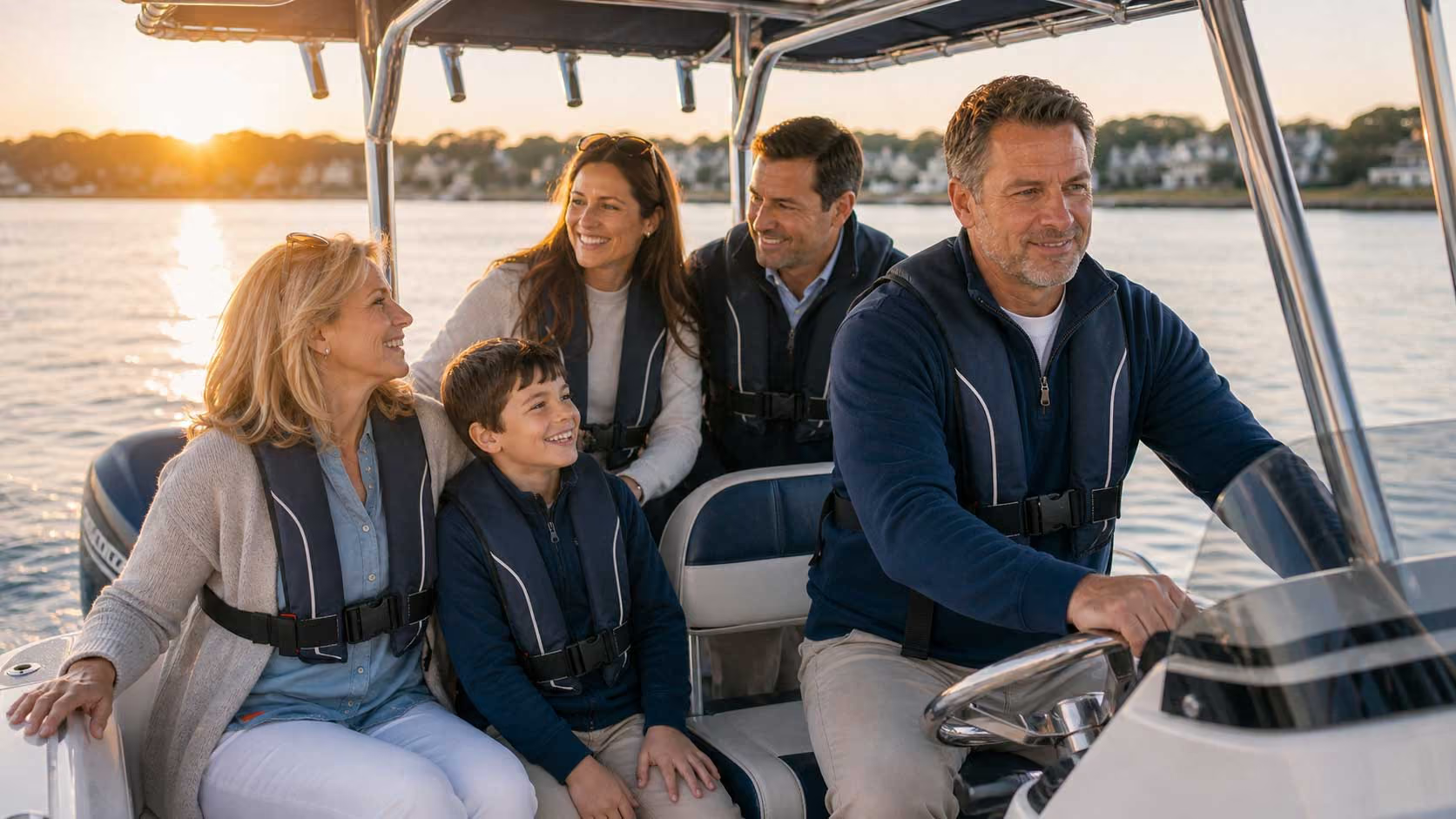
Liability coverage forms the foundation of boat insurance. This coverage pays for property damage and bodily injury you cause to others while operating your boat. If you collide with another vessel, damage marina property, or injure someone, liability insurance covers their medical bills, property repairs, and legal costs if they sue you.
What Liability Insurance Covers
Property damage to other boats and watercraft
Damage to docks, piers, and marina structures
Medical expenses for injured passengers and other boaters
Legal defense costs if you're sued
Court judgments and settlements within policy limits
Lost wages for injured parties
Most boat insurance experts recommend minimum liability limits of $300,000 for Long Island boaters, though $500,000 to $1,000,000 provides better protection in our litigious environment. Higher limits cost relatively little extra while providing substantially more security.
Bodily Injury vs Property Damage
Liability coverage typically splits into two components: bodily injury liability and property damage liability. Policies express limits as split limits (like 100/300/50) or combined single limits.
Split limits show three numbers: $100,000 per person for bodily injury, $300,000 total per accident for bodily injury, and $50,000 for property damage. Combined single limits provide one total amount (like $500,000) covering all damages in an accident, offering simpler, often better protection.
Collision Coverage
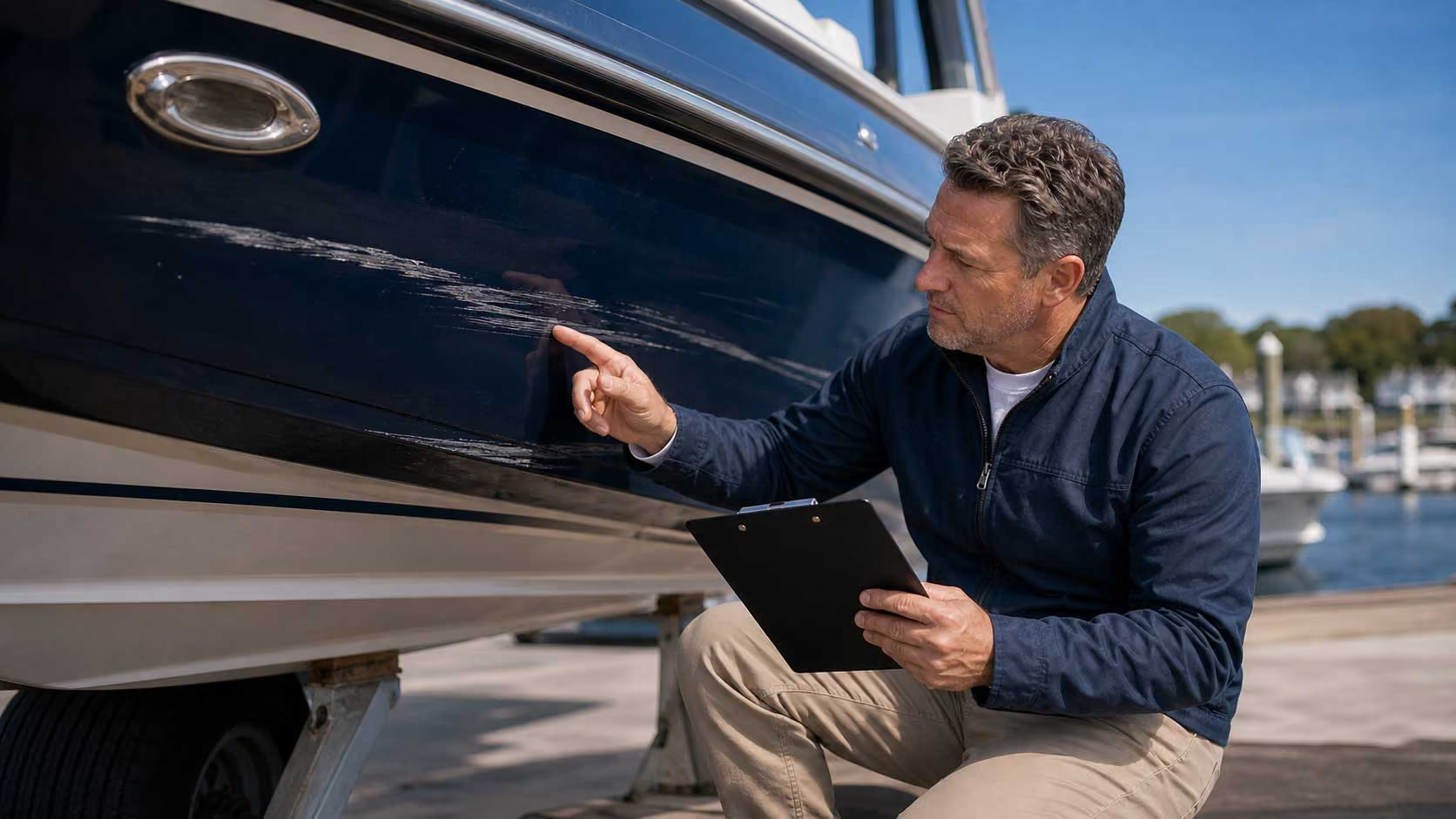
Collision coverage pays for damage to your boat when it collides with another vessel, object, or the shore. Whether you hit a dock while maneuvering in a crowded marina, collide with another boat, or strike submerged objects, collision coverage handles repair costs.
Long Island's busy waterways make collision coverage particularly valuable. Summer weekends bring heavy boat traffic to areas like the Great South Bay, Oyster Bay, and Peconic Bay. Even experienced boaters face collision risks in crowded conditions. Collision coverage ensures you can repair your vessel without paying out of pocket for expensive fiberglass and structural repairs.
Collision policies typically include a deductible - the amount you pay before insurance coverage applies. Common deductibles range from $500 to $2,500. Choosing a higher deductible lowers your premium, while lower deductibles mean less out-of-pocket expense when claims occur.
Collision Coverage Considerations
Covers damage regardless of who's at fault
Applies to collisions with other boats, docks, or objects
Subject to deductible amount you select
Essential for financed boats (lender requirement)
Pays up to actual cash value of your boat
Comprehensive Coverage
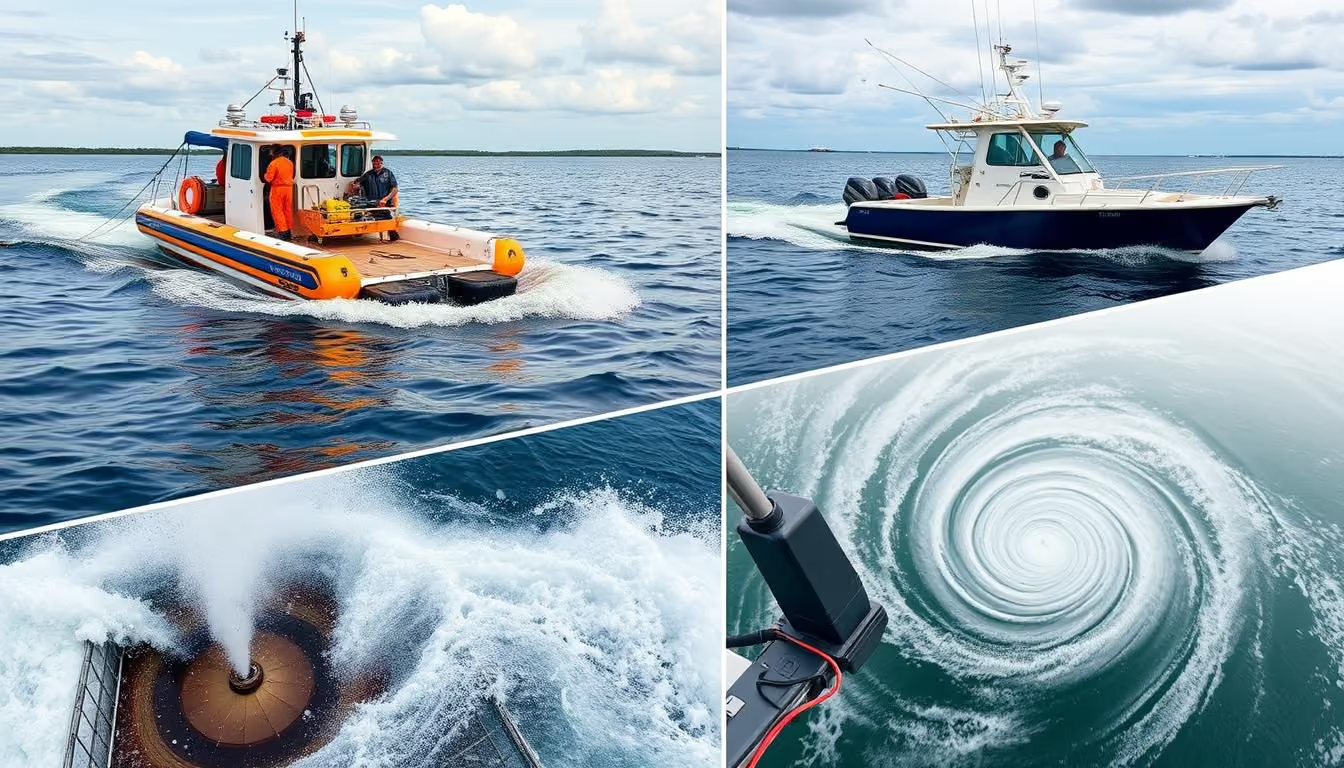
Comprehensive coverage protects your boat from non-collision damage. This includes theft, vandalism, fire, lightning, windstorm, hail, and other perils that can damage or destroy your vessel. For Long Island boat owners, comprehensive coverage addresses several region-specific risks.
Storm and Hurricane Damage:
Long Island's coastal location means hurricane and tropical storm exposure. Comprehensive coverage pays for damage from these storms, including wind damage to your boat and equipment. Given recent hurricane impacts on Long Island, this protection proves invaluable.
Theft Protection:
Boat theft and equipment theft occur at marinas and storage facilities throughout Long Island. Comprehensive coverage reimburses you for stolen boats, motors, electronics, and gear. This includes theft of permanently attached equipment and accessories.
Fire and Lightning:
Electrical fires, fuel fires, and lightning strikes can total a boat quickly. Comprehensive coverage handles repair or replacement costs from fire damage, protecting your investment against these sudden, catastrophic losses.
Additional Coverage Options
Beyond basic liability, collision, and comprehensive coverage, boat insurance policies offer additional protection options relevant to Long Island boaters. Consider these coverages when building your policy.
Coverage Type
What It Covers
Why Long Island Boaters Need It
Protects you when hit by uninsured boater
Not all boaters carry insurance; covers your injuries and damage
Medical Payments
Medical bills for you and passengers regardless of fault
Immediate coverage for injuries without waiting for liability determination
Personal Effects
Belongings and equipment on your boat
Covers fishing gear, electronics, water sports equipment
Towing and Assistance
On-water towing when boat breaks down
Essential for Long Island Sound and ocean boating where breakdowns are dangerous
Fuel Spill Liability
Cleanup costs from fuel spills
Environmental cleanup costs can reach tens of thousands
Hurricane Haul-Out
Emergency haul-out costs when hurricanes approach
Protects investment during hurricane season evacuations
Find the Right Coverage for Your Boat
Not sure which coverage options you need? Speak with Long Island boat insurance specialists who understand local waterways and can recommend appropriate protection. Questions about coverage? Call (855) 973-0123.
Compare Coverage OptionsLong Island-Specific Considerations for Boat Insurance
Boating in Long Island waters presents unique circumstances that affect your insurance needs and costs. Understanding these local factors helps you select appropriate coverage and work with insurers familiar with New York boating conditions.
Navigating Long Island Waters
Long Island offers diverse boating environments, each with distinct characteristics and risks. Your typical boating areas influence the coverage you need and premiums you'll pay.
Ocean vs. Bay Boating
Boating in the Atlantic Ocean off Long Island's south shore presents different risks than cruising protected bays. Ocean boating exposes vessels to rougher conditions, larger waves, and more severe weather. Insurance companies consider ocean-going boats higher risk, potentially affecting premiums.
Bay boating on the Long Island Sound, Great South Bay, or Peconic Bay typically involves calmer conditions but more crowded waters during peak season. Higher boat traffic increases collision risks, making liability coverage particularly important for bay boaters.
Popular Long Island Boating Areas
Long Island Sound - northern coast sailing and cruising
Great South Bay - protected waters ideal for recreational boating
Peconic Bay - fishing and water sports destination
Montauk - ocean fishing and offshore adventures
Fire Island - barrier island boating access
Cold Spring Harbor - historic harbor and yacht clubs
Weather Considerations for Long Island Boaters
Long Island's weather patterns directly impact boat insurance considerations:
Hurricane season runs June through November
Nor'easters bring heavy winds and coastal flooding
Winter storage protects boats from freeze damage
Summer thunderstorms create sudden hazards
Coastal fog reduces visibility in sound and ocean waters
New York Boat Registration and Requirements
New York State requires boat registration for motorized vessels and sailboats over specified lengths. While registration doesn't mandate insurance, understanding state requirements helps you stay compliant and informs insurance decisions.
Registration Requirements
The New York State Office of Parks, Recreation and Historic Preservation handles boat registration. All motorized boats and sailboats over 18 feet require registration. Registration fees fund boating safety and waterway improvements throughout New York.
Safety Equipment
New York law mandates specific safety equipment including life jackets, fire extinguishers, sound devices, and navigation lights. Maintaining required equipment may reduce insurance costs and ensures compliance during Coast Guard or marine patrol inspections.
Boating Education
New York requires boating safety courses for operators born after May 1996. Completing approved boating safety education often qualifies you for insurance discounts, as trained operators present lower risk to insurance companies.
Marina and Dock Requirements
Long Island's marinas maintain specific insurance requirements for boats docking at their facilities. Understanding these requirements ensures you carry adequate coverage and avoid issues when securing slip space.
Most Long Island marinas require minimum liability coverage ranging from $300,000 to $500,000. Premium marinas serving larger vessels may require $1,000,000 or more. Marinas also typically require you to name them as additional insured on your policy, protecting them from liability related to your boat.
Before securing slip space, contact your prospective marina to understand their insurance requirements. Provide these requirements to insurance agents when shopping for coverage to ensure your policy meets marina specifications.
Common Marina Insurance Requirements
Minimum liability coverage (typically $300,000-$500,000)
Marina listed as additional insured
Proof of coverage provided before slip assignment
Annual renewal verification
Specific coverage for fuel spill liability
Hurricane haul-out requirements for named storms
Seasonal Considerations and Storage
Long Island's seasonal climate means most boaters use their vessels from April through October, storing boats during winter months. Your insurance policy should address both active boating season and storage period needs.
Lay-Up Coverage
During winter storage, you may reduce coverage to save on premiums. Lay-up policies maintain comprehensive coverage for theft, fire, and storm damage while eliminating liability and collision coverage when the boat isn't used.
Storage Location Matters
Where you store your boat affects insurance costs and requirements. Indoor heated storage presents lowest risk, while outdoor storage or in-water storage carry higher premiums due to increased damage and theft exposure.
Hurricane Preparedness
Long Island's hurricane exposure means your insurance policy should address storm preparation. Some policies require documented hurricane plans and may mandate haul-out when storms approach the region.
Get Coverage That Understands Long Island Boating
Work with insurance providers who know Long Island waters, marinas, and local requirements. Get quotes designed for New York boaters.
Get Long Island Boat Insurance Quote
Factors That Affect Boat Insurance Costs in Long Island NY
Boat insurance premiums vary significantly based on your vessel, usage patterns, location, and personal factors. Understanding what influences costs helps you anticipate premiums and identify opportunities to reduce rates.
Personal Factors Affecting Rates
Insurance companies evaluate your personal characteristics when calculating boat insurance premiums. These factors help insurers assess your risk level and determine appropriate rates.
Factor
Impact on Premium
How to Improve Your Rate
Boating Experience
More experience reduces rates
Document years of boat ownership and operation
Claims History
Previous claims increase costs significantly
Maintain claims-free record; consider paying small claims out of pocket
Boating Safety Course
Completion earns 10-15% discount
Take approved New York boating safety course
Age of Operator
Younger operators pay more; rates decrease after age 25
Add experienced operators to policy
Multiple Policies
Bundling boat insurance with auto or home saves 10-25%
Bundle insurance policies with same provider
Security Systems
Alarm and tracking systems reduce theft risk
Install approved security and GPS tracking equipment
Primary Cost Determinants
Boat Value and Type
Your boat's value directly impacts insurance cost. A $20,000 fishing boat costs less to insure than a $200,000 yacht. Insurance companies charge premiums as a percentage of boat value, typically ranging from 0.5% to 5% annually depending on other risk factors.
Boat type also matters. Performance boats and personal watercraft like jet skis typically cost more to insure than pontoon boats or sailboats of similar value due to higher accident rates.
Usage and Location
How and where you use your boat influences premiums. Ocean boating costs more than bay or lake use due to rougher conditions. Boats used for fishing generally cost less than those used for water sports or racing.
Your home location matters too. Boats kept in areas prone to theft or weather damage face higher premiums. Long Island's coastal exposure and urban marina locations can increase costs compared to inland New York locations.
Coverage Selections
The coverage types and limits you choose directly affect premium costs. Higher liability limits, lower deductibles, and additional coverage options increase premiums while providing better protection.
Choosing appropriate coverage balances cost against protection needs. Work with insurance professionals to select coverage that protects adequately without paying for unnecessary extras.
Average Boat Insurance Costs in Long Island
While individual premiums vary, understanding typical cost ranges helps you budget appropriately. These estimates represent annual premiums for Long Island boat owners with clean records and standard coverage.
Small Boats and Personal Watercraft
Personal watercraft (jet skis): $200-$500 annually
Small fishing boats under 20 feet: $300-$600 annually
Pontoon boats: $300-$800 annually
Small sailboats under 25 feet: $300-$700 annually
Mid-Size Boats
Fishing boats 20-30 feet: $500-$1,200 annually
Bowriders and cabin cruisers 20-30 feet: $600-$1,500 annually
Sailboats 25-35 feet: $600-$1,800 annually
Center console boats: $700-$1,500 annually
Larger Vessels
Motor yachts 30-40 feet: $1,500-$3,500 annually
Sportfishing boats over 30 feet: $1,800-$4,000 annually
Sailboats over 35 feet: $1,500-$4,000 annually
Luxury yachts over 40 feet: $3,000-$10,000+ annually
Note: these ranges represent typical costs for Long Island boat owners with $300,000-$500,000 liability coverage, collision and comprehensive coverage with $1,000 deductible, and clean boating records. Your actual premium depends on specific circumstances.
Strategies to Lower Your Boat Insurance Premium
Take a boating safety course: Coast Guard Auxiliary or approved New York courses earn significant discounts
Bundle insurance policies: combine boat insurance with auto, home, or business coverage
Choose higher deductibles: increasing deductibles from $500 to $1,000 or $2,500 reduces premiums
Install safety equipment: fire suppression systems, alarms, and GPS tracking reduce risk
Maintain a clean record: avoid claims when possible by paying minor damage out of pocket
Store properly: indoor heated storage costs less than in-water storage
Lay-up during winter: reduce coverage when boat isn't used to lower off-season premiums
Join boating organizations: Coast Guard Auxiliary or yacht club membership may qualify for discounts
Pay annually: paying full premium upfront avoids monthly installment fees
Review coverage annually: as boat values decrease, adjust coverage to avoid over-insuring
Compare multiple carriers: shop at least three companies to find best rates
Ask about all discounts: insurers offer various discounts; always inquire what you qualify for
Find Your Best Boat Insurance Rate
Don't overpay for boat insurance. Compare quotes from multiple Long Island providers and discover available discounts for your situation. Questions about costs? Call (855) 973-0123.
Compare Boat Insurance RatesHow to Choose the Right Boat Insurance Coverage Limits
Selecting appropriate coverage limits balances adequate protection against premium costs. Too little coverage leaves you exposed to financial loss, while excessive coverage wastes money on unnecessary protection. Liability coverage protects your assets when you're responsible for injuries or property damage. Long Island's expensive real estate and high cost of living mean lawsuits can easily exceed basic coverage limits. Most insurance experts recommend minimum liability coverage of $300,000 for boat owners. This provides basic protection for typical accidents but may prove insufficient for serious injuries or multiple-boat collisions. Consider higher limits if you have significant assets to protect. Your home equity, retirement accounts, and investments could be seized to satisfy judgments exceeding your insurance limits. For Long Island homeowners with substantial equity in their properties, $500,000 to $1,000,000 in liability coverage provides better protection. Calculate your total net worth including home equity, investment accounts, retirement savings, and other assets. Your liability coverage should meet or exceed this amount to protect your wealth from lawsuits. If your net worth exceeds $1,000,000, consider umbrella insurance providing additional liability coverage beyond your boat policy limits. For collision and comprehensive coverage, your boat's actual cash value determines maximum coverage. However, you can adjust deductibles to manage premium costs.
Agreed Value vs. Actual Cash Value
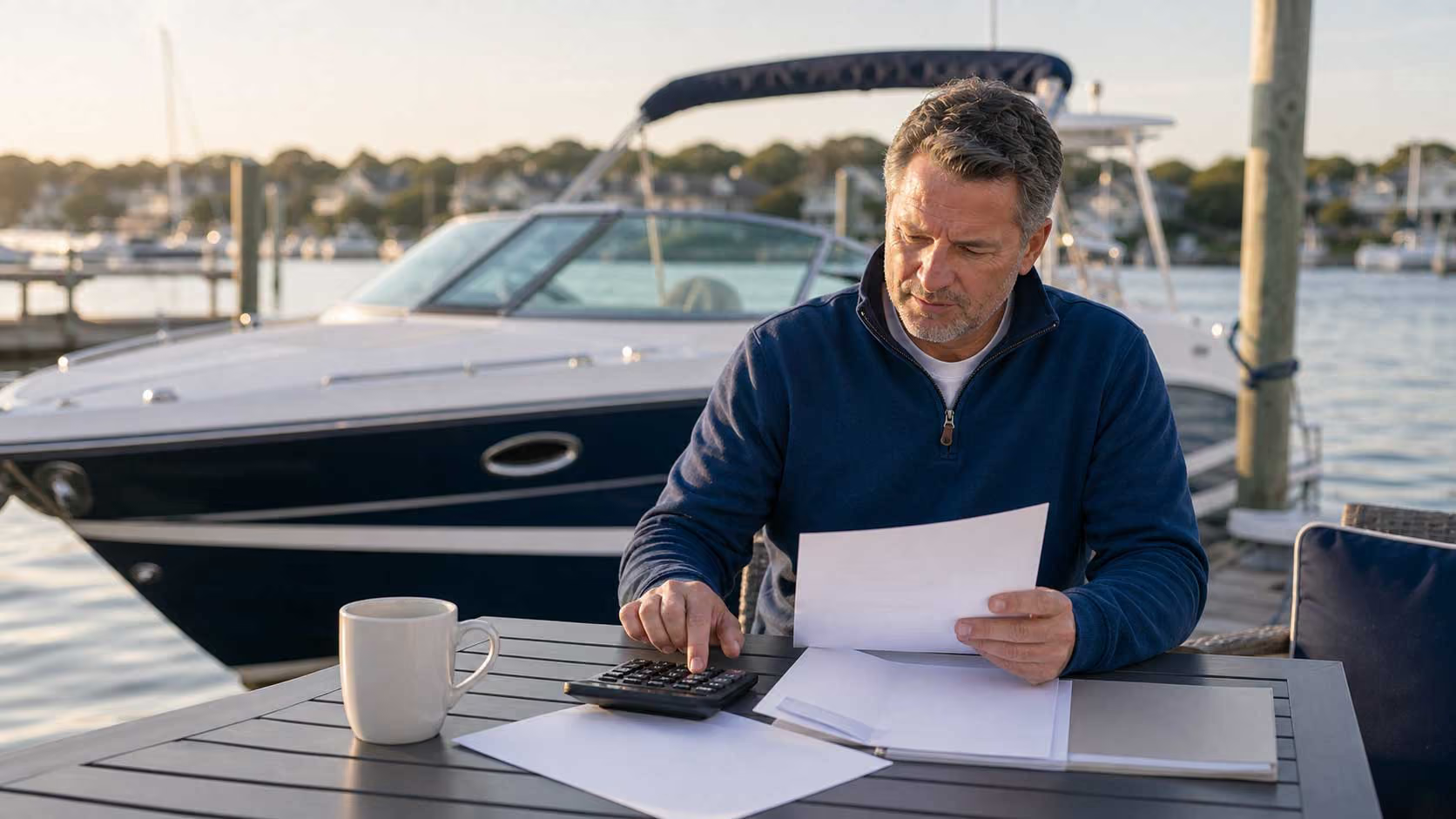
Agreed value policies pay a predetermined amount for total losses without depreciation deductions. Actual cash value policies depreciate your boat's worth over time. Agreed value costs more but provides better protection for newer boats.
Deductible Selection
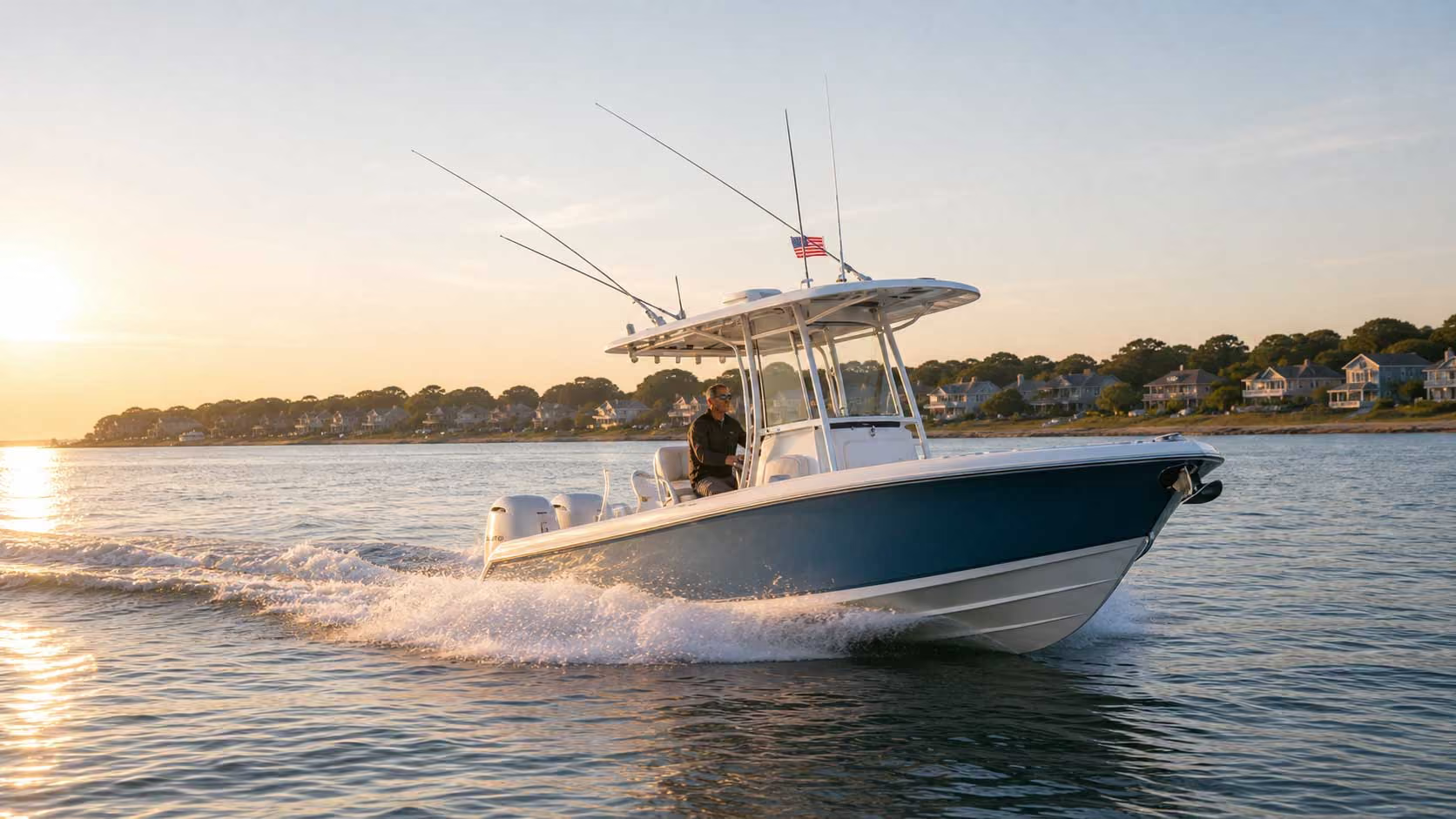
Common deductibles range from $500 to $2,500. Higher deductibles significantly reduce premiums but increase out-of-pocket costs when claims occur. Choose deductibles you can comfortably afford to pay.
When to Skip Physical Damage Coverage

Older boats with low values may not justify collision and comprehensive coverage costs. If your boat is worth less than $5,000, consider dropping physical damage coverage and self-insuring against these losses.
Additional Coverage Recommendations
Liability Limit Options:
$300,000 - Basic coverage, suitable for smaller boats and limited assets
$500,000 - Standard coverage for most recreational boaters
$1,000,000 - Enhanced protection for larger boats or significant assets
$2,000,000+ - High-value boats or comprehensive asset protection
Cost consideration: increasing from $300,000 to $500,000 typically adds only $50-$100 annually, making higher limits affordable protection.
Uninsured Boater Coverage: Essential in New York where boat insurance isn't mandatory. Protects you when hit by uninsured operators. Match your liability limits.
Medical Payments Coverage: Provides immediate payment for injuries regardless of fault determination. Recommended amount: $5,000-$10,000 per person.
Towing and Assistance: Critical for Long Island Sound and ocean boating where mechanical failures create dangerous situations. Choose coverage matching your typical distance from shore. Recommended: $500-$1,000 per incident.
Personal Effects: Covers belongings and equipment on your boat. Recommended: $5,000-$10,000.
Fuel Spill Liability and Hurricane Haul-Out: Fuel spill liability: $50,000 minimum. Hurricane haul-out: $1,000-$2,000.
How to Find and Compare Boat Insurance Quotes in Long Island NY
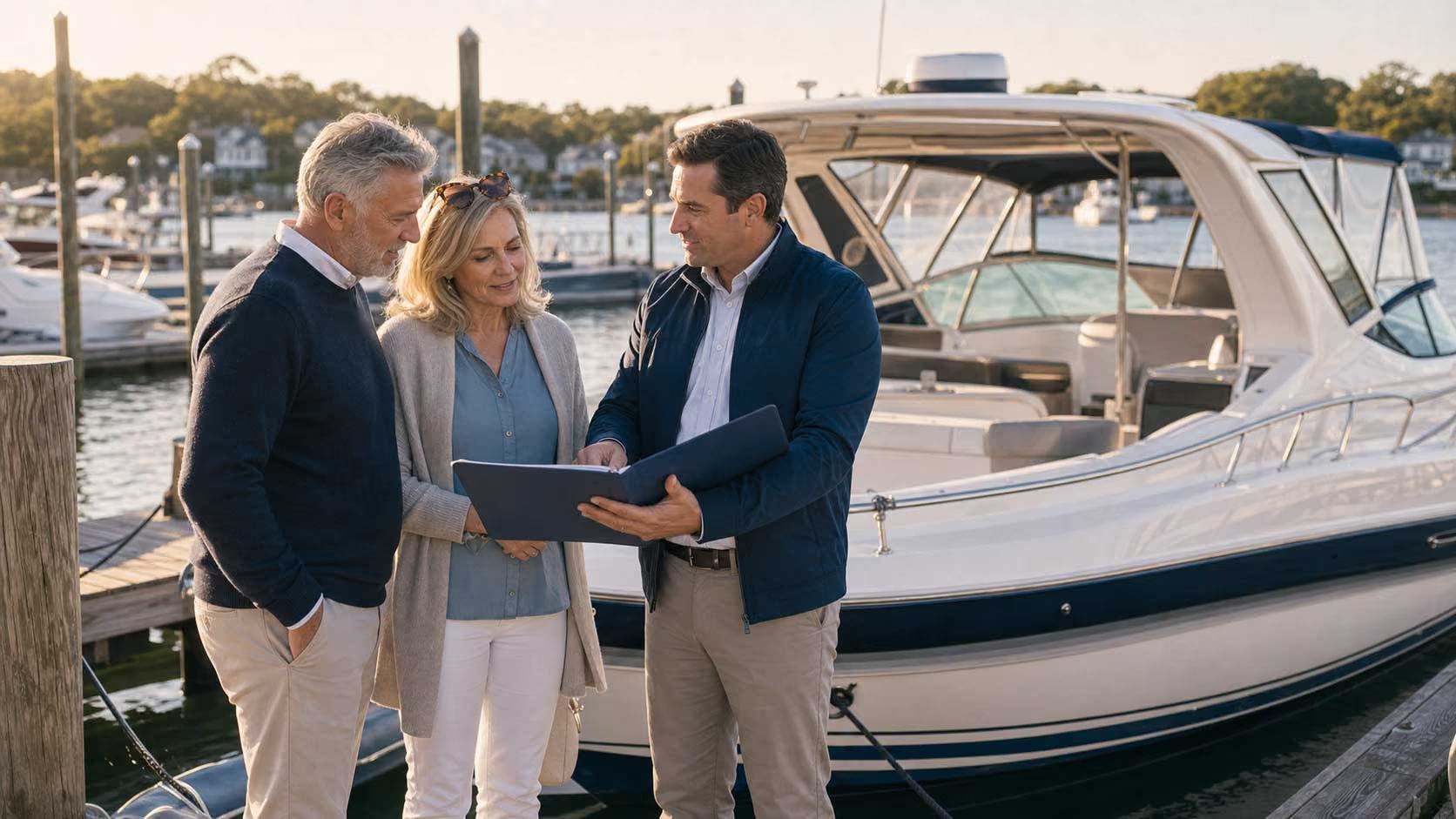
Shopping for boat insurance requires comparing multiple providers to find the best combination of coverage, service, and price. Follow these steps to secure appropriate protection without overpaying.
Independent Insurance Agents
Best for: Comparing multiple carriers efficiently and getting expert guidance on coverage selection. Independent agents represent numerous insurance companies and obtain competitive quotes from multiple sources with a single application. They provide valuable expertise about coverage differences specific to Long Island boating.
Direct from Insurance Companies
Best for: Boat owners who know exactly what coverage they need and prefer direct relationships with insurers. Major carriers like Progressive, Boat U.S., and others allow direct purchase through websites or sales teams. You work directly with the insurance company for quotes, policy changes, and claims.
Boating Organization Programs
Best for: Members of boating organizations offering group insurance programs with potential discounts. Organizations like Boat U.S., Coast Guard Auxiliary, and yacht clubs often partner with insurers for member programs. These may offer competitive pricing and streamlined applications.
Step-by-Step Quote Shopping Process
1. Document Your Boat Information
Before requesting quotes, gather comprehensive information about your boat. Insurers need specific details for accurate underwriting and premium calculations.
Gather boat make, model, and year; hull identification number (HIN); boat length and type; engine details including horsepower; current market value; safety equipment installed; and where you store and use the boat.
2. Determine Your Coverage Needs
Decide on desired liability limits, physical damage coverage preferences, deductible amounts, and additional coverage options before shopping. Understanding your needs helps you compare equivalent coverage across multiple carriers. Consider marina requirements, lender requirements if financed, personal asset protection needs, and your risk tolerance when selecting coverage levels.
3. Request Quotes from Multiple Providers
Contact at least three to five insurance companies or work with independent agents representing multiple carriers, including both large national insurers and regional companies serving New York boaters.
Provide identical information to each source for accurate comparison. Some carriers specialize in boat insurance and may offer better coverage or rates than general insurers.
4. Compare Coverage Details
Don't select based solely on price. Review each policy's coverage grants, exclusions, definitions, and conditions. Cheaper policies often include more restrictions or exclude important protections. Pay attention to agreed value vs. actual cash value, towing and assistance limits, personal effects coverage, and whether fuel spill liability is included.
5. Evaluate Company Reputation
Research each carrier's financial strength, claims payment reputation, and customer service quality. An inexpensive policy from a company that fights valid claims provides poor value. Check AM Best ratings for financial strength, read customer reviews, and ask fellow boaters about their experiences with different carriers.
6. Ask About Discounts
Many carriers offer premium reductions for boating safety course completion, multiple policies, clean boating records, safety equipment, and other factors. Always ask what discounts apply to your situation.
7. Review and Purchase Coverage
Once you select a carrier, carefully review the policy documents before purchasing. Ensure all terms match your quote and understanding. Ask questions about any unclear provisions.
Purchase coverage before launching your boat each season to avoid gaps in protection. Most insurers require surveys for boats over certain ages or values.
Key Questions to Ask When Comparing Quotes
Coverage Questions
Is this agreed value or actual cash value coverage?
What specific perils does comprehensive coverage include?
Are towing and assistance included, and what are the limits?
Does the policy cover navigation in Long Island Sound and Atlantic waters?
What are the specific exclusions for my boat type?
Is fuel spill liability included?
Does coverage include hurricane haul-out reimbursement?
What personal effects coverage is included?
Service and Cost Questions
What deductible options are available?
How does the carrier handle claims?
What is the carrier's financial strength rating?
Are there discounts I qualify for?
What payment plans does the carrier offer?
Can I reduce coverage during winter storage?
How accessible is customer service?
Does the carrier offer mobile apps for claims and service?
Quote Comparison Mistakes to Avoid
Focusing solely on price: cheapest policy often has most restrictive coverage or worst claims service
Incomplete boat information: inaccurate details lead to coverage denials when claims arise
Not comparing identical coverage: ensure quotes use same limits and deductibles for accurate comparison
Ignoring carrier reputation: financial instability or poor claims handling creates false security
Rushing the process: allow adequate time before boating season to shop thoroughly
Not reading policy documents: understand what you're buying before purchasing coverage
Forgetting to ask about discounts: many savings opportunities exist if you inquire
Compare Long Island Boat Insurance Quotes Now
Get multiple boat insurance quotes from top-rated carriers serving Long Island boaters. Our specialists help you compare coverage and find your best option. Need help comparing quotes? Call (855) 973-0123.
Start Quote ComparisonTips for Choosing the Right Boat Insurance Provider in Long Island NY
Selecting the right insurance company matters as much as choosing appropriate coverage. The best provider combines competitive rates, comprehensive coverage options, excellent claims service, and understanding of Long Island boating conditions.
Evaluating Insurance Company Credentials
Financial Strength
Your insurer must have financial stability to pay claims years after you purchase coverage. Check AM Best ratings, which measure insurance companies' financial health and claims-paying ability.
Look for carriers rated A- (Excellent) or higher. Lower ratings indicate potential financial instability that could affect claim payments.
Claims Reputation
How insurers handle claims determines whether your policy provides real protection or frustration. Research claim satisfaction ratings through J.D. Power studies and consumer review websites.
Ask fellow boat owners about their claims experiences. Word-of-mouth recommendations from other Long Island boaters provide valuable insights.
Experience with Boat Insurance
Companies specializing in boat insurance understand marine risks better than general insurers adding boat coverage as an afterthought. Specialists offer better coverage options and more knowledgeable underwriting.
Look for carriers with dedicated marine insurance divisions and underwriters experienced in Long Island waters.
Service and Support Considerations
Beyond coverage and price, evaluate the service quality and support your insurance provider offers. Strong customer service makes the insurance experience smoother and ensures help when you need it most.
Local Representation
Having a local agent or representative familiar with Long Island boating provides significant advantages. Local agents understand regional risks, know marina requirements, and can meet face-to-face when needed.
While national companies offer competitive rates, local representation adds personalized service value. Consider whether you prefer local relationships or national company scale and technology.
Digital Tools and Accessibility
Modern insurance companies provide mobile apps, online policy management, and digital claims filing. These tools add convenience, especially for on-water assistance needs or documenting damage immediately after incidents.
Evaluate carriers' digital capabilities if you value technology-enabled service and 24/7 access to policy information.
Questions to Ask Potential Insurance Providers
How long have you insured boats in Long Island?
Do you have local agents or adjusters?
What's your average claim response time?
Can you provide references from Long Island boat owners?
Do you offer 24/7 emergency assistance?
What digital tools do you provide for policy management?
How do you handle total loss claims?
Specialized Coverage for Different Boat Types
Different boats require different coverage approaches. Ensure your chosen provider offers appropriate policies for your specific vessel type and usage.
Boat Type
Coverage Considerations
Recommended Provider Type
Personal Watercraft
Higher liability risk; trailer coverage; performance modifications
Specialists in PWC insurance with experience in high-risk watercraft
Fishing Boats
Equipment coverage; electronics; commercial use exclusions
Carriers offering high personal effects limits for gear
Sailboats
Rigging coverage; racing exclusions; offshore navigation
Companies with sailing-specific policies and racing options
Yachts
High value coverage; crew liability; luxury appointments
Luxury yacht specialists with agreed value and worldwide navigation
Warning Signs of Problem Providers
Red Flags When Choosing Boat Insurance
Pressure tactics: pushy sales approaches suggest carrier prioritizes sales over service
Unclear policy terms: inability to explain coverage clearly indicates potential problems
No local presence: lack of local representation may mean poor understanding of Long Island conditions
Poor online reviews: consistently negative reviews about claims handling should concern you
Unusually low prices: rates significantly below market often indicate inadequate coverage or poor service
Limited communication options: carriers available only during business hours create service challenges
Frequent company name changes: may indicate financial instability or reputation problems
Understanding the Boat Insurance Claims Process in Long Island
Knowing how to handle boat damage and file insurance claims ensures smooth resolution when accidents occur. Proper claims handling protects your coverage and improves outcomes.
Immediate Steps After Boat Damage or Accidents
1. Ensure Everyone's Safety
Your first priority after any boating incident is ensuring all passengers are safe.
Provide necessary first aid, contact emergency services if anyone is injured, and move to safe waters if the boat remains operational. Contact the Coast Guard on VHF Channel 16 for emergencies.
For less urgent assistance, contact your insurance company's emergency hotline.
2. Document the Incident
Take photos of all damage from multiple angles, photograph other vessels or property involved, capture the scene including water conditions and location, and collect contact information from witnesses.
Modern smartphones make incident documentation easy. Take more photos than you think necessary - insurance adjusters appreciate comprehensive documentation.
3. Exchange Information
Thorough documentation supports your claim and speeds the resolution process.
If your accident involves other boats, exchange insurance information, boat registration details, and contact information with other operators.
This mirrors the process for automobile accidents and ensures all parties can file claims appropriately.
4. Report to Authorities When Required
New York law requires reporting boating accidents involving death, disappearance, injury requiring medical treatment beyond first aid, or property damage exceeding $2,000. File reports with the New York State Parks Department within 48 hours for injuries or five days for property damage.
5. Contact Your Insurance Company
Notify your insurer as soon as possible. Most companies provide 24/7 claims hotlines. Provide a detailed account of what happened, but avoid admitting fault or speculating about causes.
Prompt notification allows your insurer to begin investigating while evidence is fresh and witnesses are available.
6. Prevent Further Damage
Your insurance policy requires you to take reasonable steps preventing additional damage. If your boat is taking on water, arrange emergency haul-out. If stored outdoors, cover damaged areas to prevent weather damage.
Keep receipts for any emergency repairs or protective measures. Most policies reimburse reasonable costs for damage prevention.
7. Don't Make Permanent Repairs Yet
Wait for your insurance adjuster to inspect the damage before making permanent repairs.
Emergency repairs preventing further damage are fine, but major reconstruction before inspection may affect your claim.
Working with Insurance Adjusters
After you file a claim, your insurance company assigns an adjuster to evaluate damage and determine covered costs. Understanding the adjuster's role and cooperating effectively helps resolve claims efficiently.
What Insurance Adjusters Do
Adjusters investigate claims by inspecting damage, reviewing documentation, interviewing involved parties, and determining whether damage falls within coverage. They calculate repair costs, negotiate with repair facilities, and authorize claim payments. Long Island boat claims may involve adjusters traveling to marinas or storage facilities for inspections. Some companies use independent marine surveyors for detailed damage assessments.
How to Work Effectively with Adjusters
Respond promptly to all communications and requests
Provide comprehensive documentation and photos
Be honest about incident circumstances
Make your boat accessible for inspection
Get written authorization before beginning permanent repairs
Keep receipts for all expenses related to the claim
Ask questions if you don't understand the process
Typical Claims Timeline
Initial contact: report claim within 24-48 hours
Adjuster assignment: 1-3 business days
Inspection scheduling: 3-7 days
Damage assessment: 1-2 weeks
Repair authorization: 1-2 weeks
Repair completion: 2-8 weeks depending on damage
Final payment: 1-2 weeks after repairs
Common Boat Insurance Claims in Long Island
Storm Damage
Hurricane and nor'easter damage represents common Long Island boat insurance claims. Strong winds, heavy rain, and storm surge can damage boats at marinas or in storage. Comprehensive coverage pays for storm repairs.
Document pre-storm condition through photos. After storms, photograph all damage before moving or touching the boat.
Collisions
Busy Long Island waterways lead to collision claims involving other boats, docks, or submerged objects. Collision coverage handles repairs regardless of fault, though liability coverage may also apply.
Exchange information with other parties and file required state reports. Your insurer coordinates with other insurers to determine fault and handle repairs.
Theft and Vandalism
Boat theft and equipment theft occur at Long Island marinas and storage facilities. Comprehensive coverage reimburses you for stolen vessels and equipment based on your policy's agreed or actual cash value.
File police reports immediately for theft claims. Provide hull identification numbers, serial numbers, and detailed equipment lists to insurers.
When Claims Are Denied
Sometimes insurers deny claims based on policy exclusions, coverage limitations, or policyholder actions. Understanding common denial reasons helps you avoid problems and know your rights if disputes arise.
Common Reasons for Claim Denials
Excluded activities: racing, commercial use, or navigation outside covered areas
Lack of maintenance: damage resulting from deferred maintenance or wear and tear
Unlisted operators: damage caused by operators not listed on your policy
Late notification: failing to report claims within policy timeframes
Policy lapses: claims occurring when coverage had lapsed due to non-payment
Intentional acts: deliberate damage or fraudulent claims
Pre-existing damage: claiming old damage as new incident
If your claim is denied, request written explanation of the denial reason. Review your policy carefully and consider appealing if you believe the denial is incorrect. Consult with insurance attorneys if disputes involve substantial amounts.
Frequently Asked Questions About Boat Insurance in Long Island NY
Is boat insurance required in New York?
New York State does not legally require boat insurance for most recreational vessels. However, practical requirements often make it necessary. If you finance your boat, lenders require comprehensive coverage until the loan is paid off. Most Long Island marinas require proof of insurance before allowing you to dock. Additionally, if you cause an accident, you're personally liable for all damages without insurance coverage. While not legally mandated, boat insurance provides essential financial protection that most responsible boat owners carry.
How much does boat insurance cost in Long Island NY?
Boat insurance costs in Long Island vary based on your vessel's value, type, usage, and your personal factors. Personal watercraft typically cost $200-$500 annually. Small fishing boats run $300-$600 per year. Mid-size boats between 20-30 feet average $500-$1,500 annually. Larger yachts over 30 feet can cost $1,500-$10,000 or more per year.
Your specific premium depends on coverage limits chosen, deductibles selected, your boating experience, claims history, and whether you qualify for discounts like boating safety course completion or policy bundling.
How can I lower my boat insurance premiums?
Several strategies can reduce your boat insurance costs. Complete a boating safety course to earn 10-15% discounts. Bundle boat insurance with your auto, home, or business policies for multi-policy discounts of 10-25%. Choose higher deductibles to significantly lower premiums if you can afford the out-of-pocket expense.
Install security systems like alarms and GPS tracking to reduce theft risk. Store your boat in secure indoor facilities rather than outdoor or in-water storage. Maintain a clean boating record by avoiding claims when possible. Join boating organizations like the Coast Guard Auxiliary or yacht clubs that may offer group insurance discounts. Shop multiple carriers annually to ensure you're getting competitive rates.
What does boat insurance cover?
Boat insurance typically includes several coverage types. Liability coverage protects you when you cause property damage or bodily injury to others. Collision coverage pays for damage when your boat hits another vessel or object. Comprehensive coverage handles non-collision damage like theft, storm damage, fire, and vandalism.
Additional options include medical payments coverage, uninsured boater protection, personal effects coverage, towing and assistance, and fuel spill liability. Your specific policy's coverage depends on which options you select when purchasing insurance. Review your policy documents to understand exactly what your coverage includes.
What should I do immediately after a boat accident?
After a boat accident, first ensure everyone's safety and provide necessary first aid. Contact emergency services if anyone is injured. Document the incident thoroughly by taking photos of all damage, the accident scene, and any other boats involved. Exchange insurance and contact information with other parties.
If the accident involves injury, disappearance, or property damage exceeding $2,000, file required reports with New York State Parks Department. Contact your insurance company within 24-48 hours to report the claim. Don't admit fault or discuss settlement with other parties before speaking with your insurer. Take steps to prevent further damage to your boat, keeping receipts for any emergency repairs or protective measures.
Does boat insurance cover hurricane damage in Long Island?
Yes, comprehensive boat insurance coverage typically includes hurricane and tropical storm damage. This covers wind damage, rain damage, and damage from storm surge or flooding. However, your policy may include specific requirements for hurricane preparedness. Some insurers require documented hurricane plans and may mandate hauling out your boat when named storms approach Long Island. Review your policy's storm-related requirements and ensure you follow them to maintain coverage. Some policies also offer hurricane haul-out reimbursement, covering emergency haul-out costs when storms threaten the area.
Can I get a discount on boat insurance by taking a safety course?
Yes, most boat insurance companies offer discounts of 10-15% for completing approved boating safety courses. New York recognizes courses from the U.S. Coast Guard Auxiliary, U.S. Power Squadrons, and the New York State Office of Parks, Recreation and Historic Preservation. These courses teach safe boating practices, navigation rules, and emergency procedures. The one-time course cost is typically recovered through insurance savings within 1-2 years. Beyond savings, boating safety education makes you a better operator and helps prevent accidents. Contact your insurance provider for a list of approved courses that qualify for discounts.
What is agreed value vs. actual cash value boat insurance?
Agreed value and actual cash value represent two different approaches to determining claim payments for total losses. Agreed value policies pay a predetermined amount agreed upon when you purchase coverage, without depreciation deductions. If your boat is totaled, you receive the full agreed value. Actual cash value policies depreciate your boat's worth over time, paying current market value minus depreciation at the time of loss. Agreed value coverage costs more but provides better protection for newer boats. Actual cash value costs less but may not fully replace your boat after a total loss. For boats less than 10 years old, agreed value typically offers better protection.
Does my boat insurance cover me in other states besides New York?
Most boat insurance policies provide coverage throughout the United States and often in Canadian waters. However, your policy defines a specific navigation area that limits where coverage applies. Standard policies typically cover the Atlantic coast from Maine to Florida, including travel to other states for boating trips. If you plan extended cruising or want coverage in specific areas like the Bahamas, Great Lakes, or Pacific coast, inform your insurer. Some areas require additional premium or policy endorsements. Review your policy's navigation limits before taking extended cruises outside Long Island waters to ensure you maintain coverage.
More questions about Boat Insurance in Long Island NY? Contact experienced insurance specialists at (855) 973-0123 or request free quotes tailored to your boat and boating lifestyle.
Protect Your Boating Investment with Comprehensive Coverage
Boat ownership in Long Island offers incredible recreational opportunities, from fishing in Montauk to sailing the Long Island Sound, from cruising the Great South Bay to exploring the Peconic Bays. Proper boat insurance ensures you enjoy these waters with confidence, knowing your investment and financial security are protected.
Whether you own a personal watercraft, fishing boat, sailboat, or yacht, comprehensive boat insurance coverage shields you from collision damage, storm losses, theft, and liability claims. Long Island's unique boating environment requires insurance that understands local waters, marina requirements, and regional risks. Take time to evaluate your coverage needs, compare quotes from multiple providers, and select appropriate policy limits that balance protection with affordability. Work with insurance professionals who specialize in marine coverage and understand the boating lifestyle in Long Island. Don't wait for an accident or storm to recognize the value of comprehensive boat insurance - secure proper coverage before launching your vessel each season.
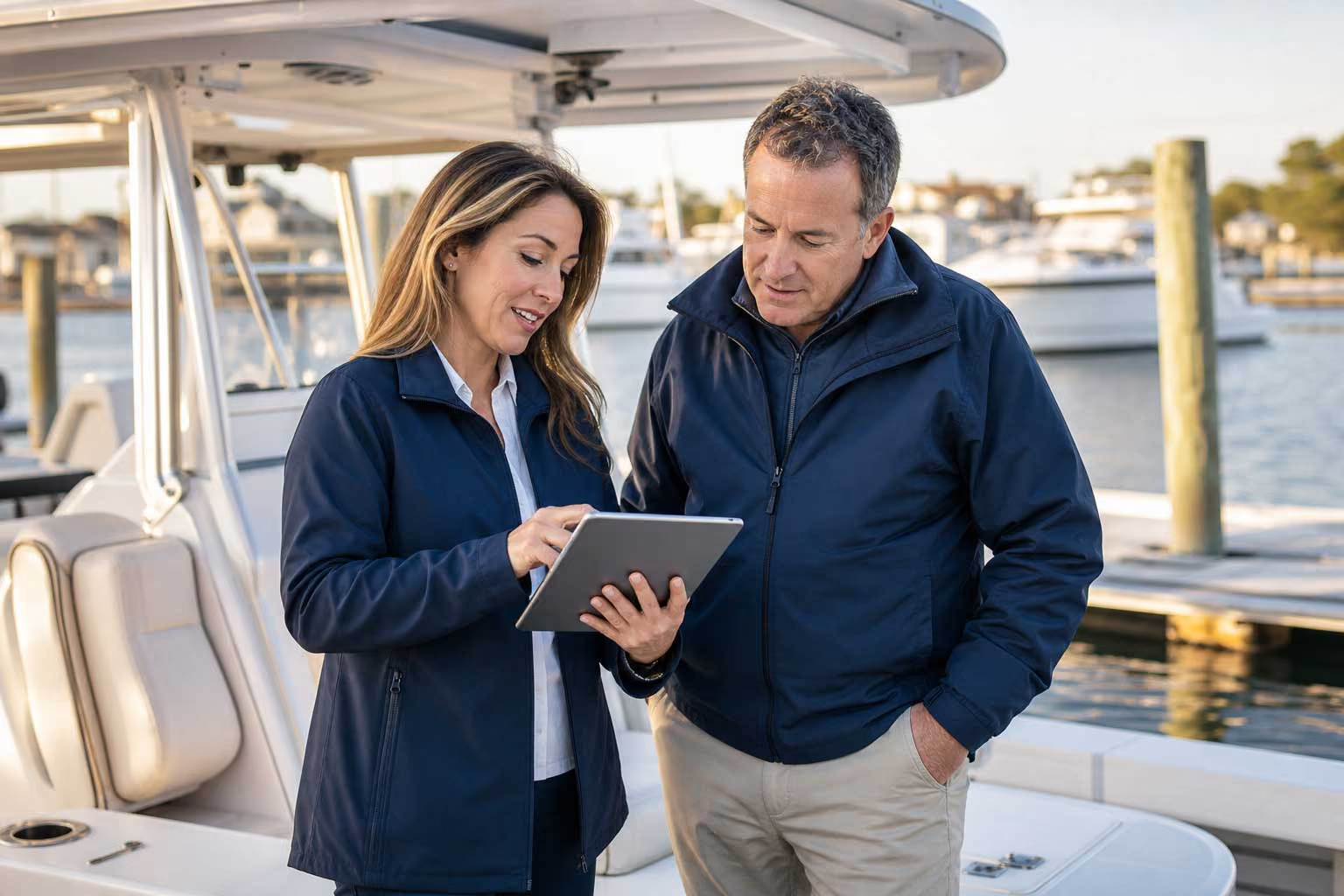
Get Your Long Island Boat Insurance Quote Today
Compare comprehensive boat insurance options from top-rated carriers serving New York boaters. Our specialists help you find the right coverage at competitive rates while ensuring you understand every aspect of your protection for Long Island waters. Speak with a Long Island boat insurance specialist: (855) 973-0123.
Get Custom Quotes Now